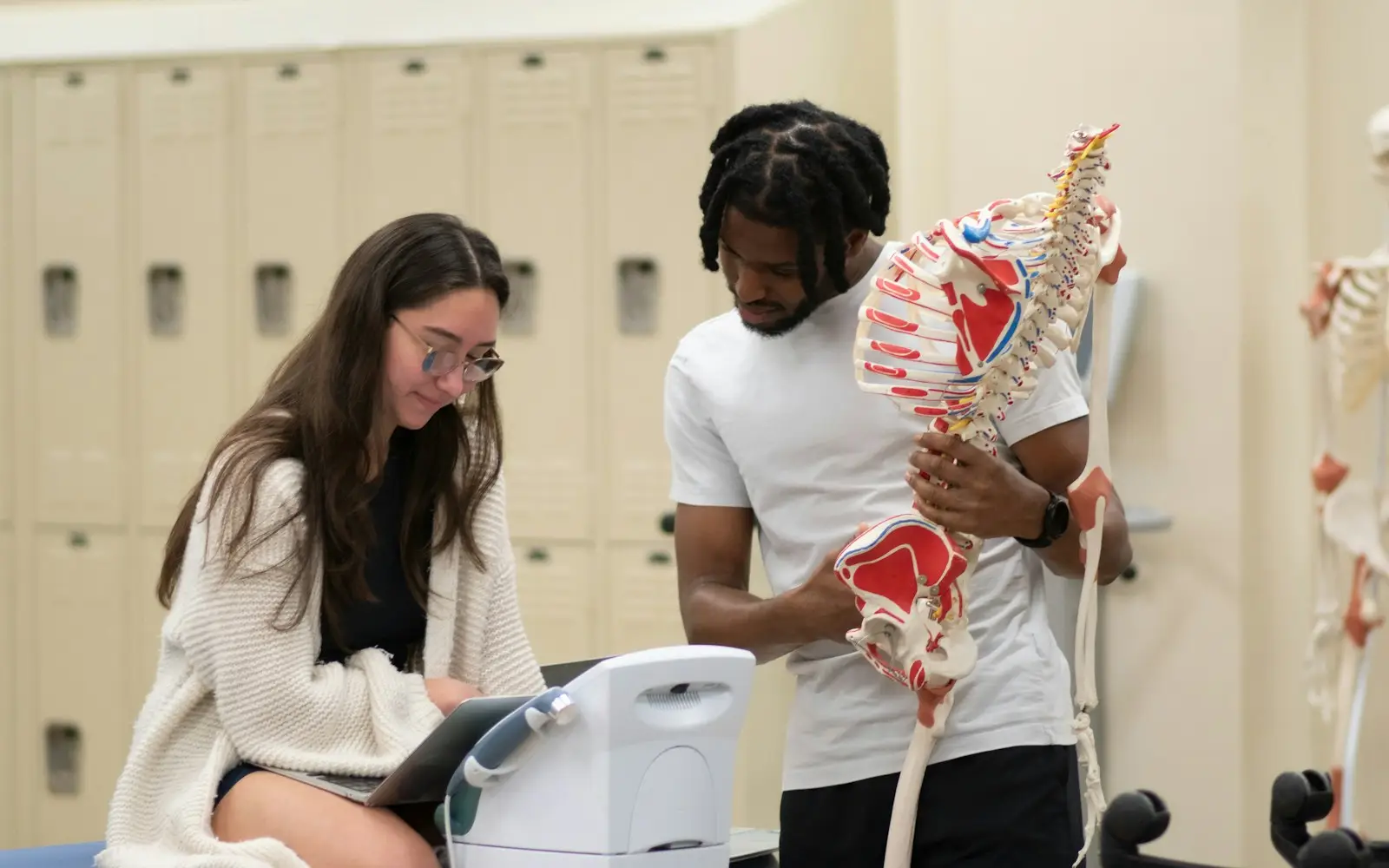
 For students · half day
AI for medical students
For pre-clinical and clinical years, booked by the faculty or a student society for a whole cohort.
Where artificial intelligence already works in medicine, where it is not ready, and the public projects that show it best. Written for Malaysian doctors, nurses, educators and hospital leaders by a team led by two emergency physicians.
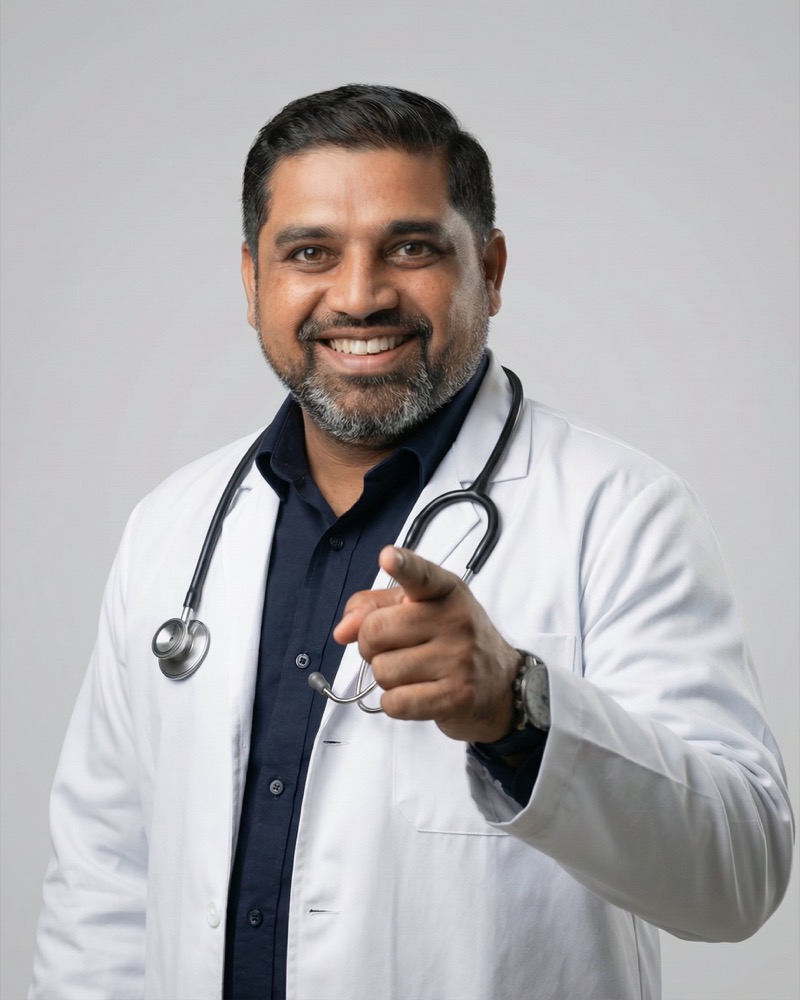 Prof. Dato' Dr. Rishya ManikamMedical Lead · AI in Medical TrainingLeads the training
AI in healthcare today means three kinds of tools: image-reading software that helps detect findings on scans, language models that draft notes, letters and teaching material, and simulation tools that let students practise on virtual patients. Imaging tools are the most validated. Language models are the most widely used and need a clinician to check every output. Medical education is the safest place to start, because nothing reaches a patient without expert review.
| Most validated | Image analysis in radiology, pathology and eye screening |
|---|---|
| Most used | Generative AI for documentation, literature and teaching |
| Rules in Malaysia | The MMC Guideline on the Ethical Use of AI in Medical Practice (2025) and the PDPA |
| How to learn it | AI in Medical & Clinical Education, led by physicians |
Students need to use AI well. Their teachers need to teach with it and assess it. We run both, and most faculties start with the teachers.
For students · half day
For pre-clinical and clinical years, booked by the faculty or a student society for a whole cohort.
 For educators · 1–2 days
For lecturers, professors, clinical educators, simulation leads and examiners. Our full course, adapted to your curriculum.
We work with institutions, not individual sign-ups: students join through their faculty, student society or hospital, and educators through their department. Individuals can join a public cohort of the educators' course.
Public projects you can open today. We use examples like these in our course to show what AI, and AI-assisted coding, make possible in medical teaching. They belong to their makers; winsym.ai is not affiliated with any of them.
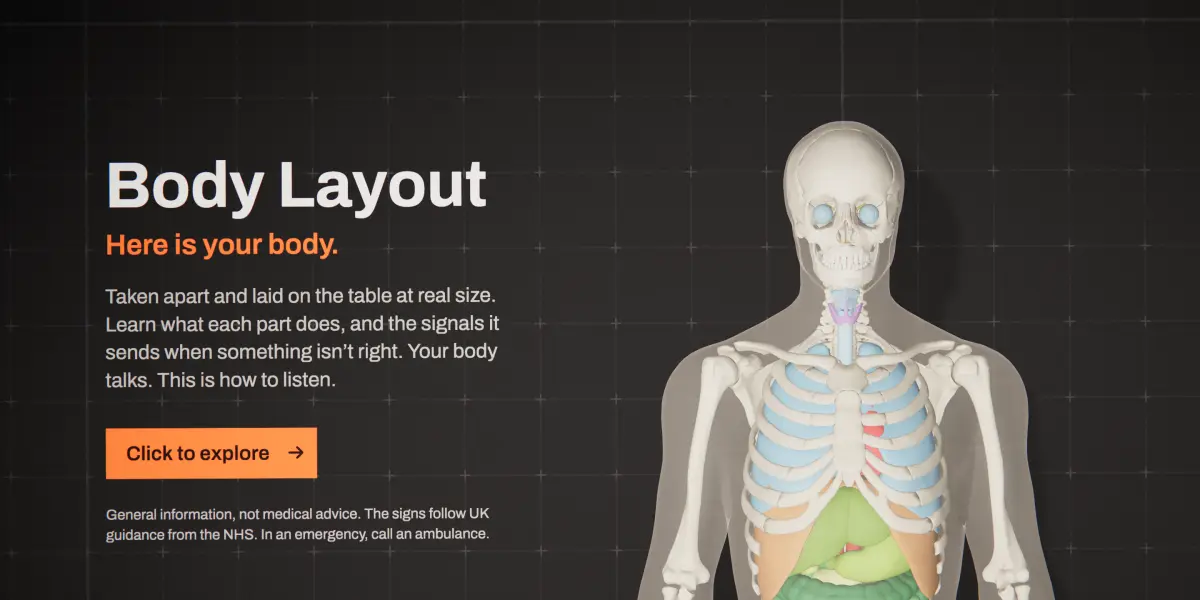
Thirty-four organs laid out at real size in the browser, each with what it does and the warning signs it sends. A solo web project that shows what AI-assisted coding now lets one person build for health education.
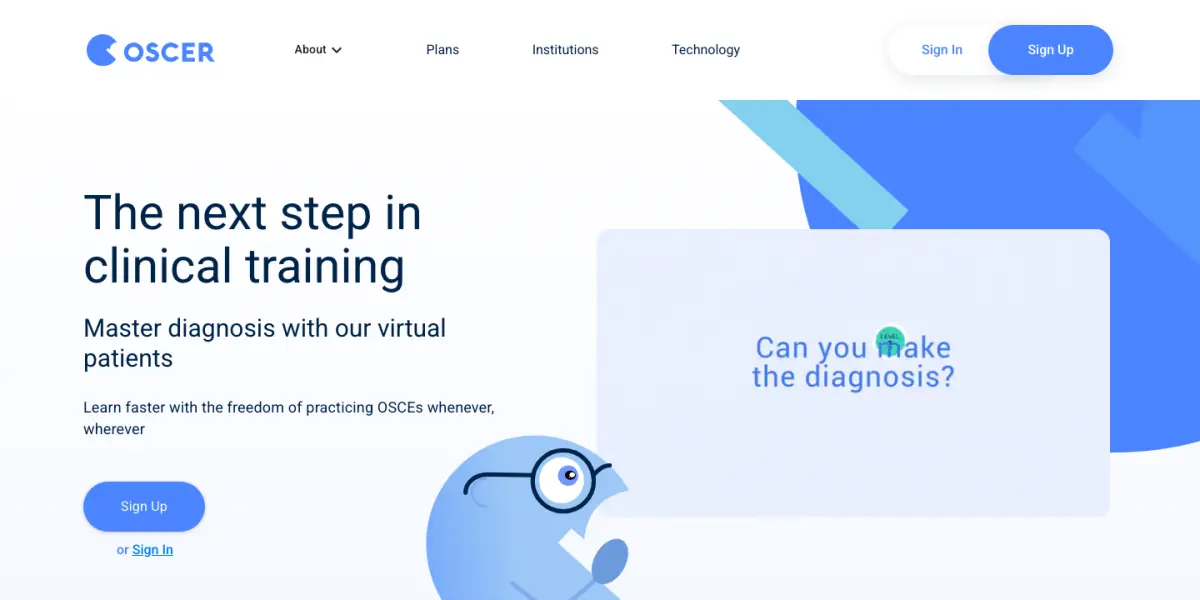
AI virtual patients for practising history-taking and diagnosis before an OSCE. Students talk to a simulated patient and get feedback on their clinical reasoning.
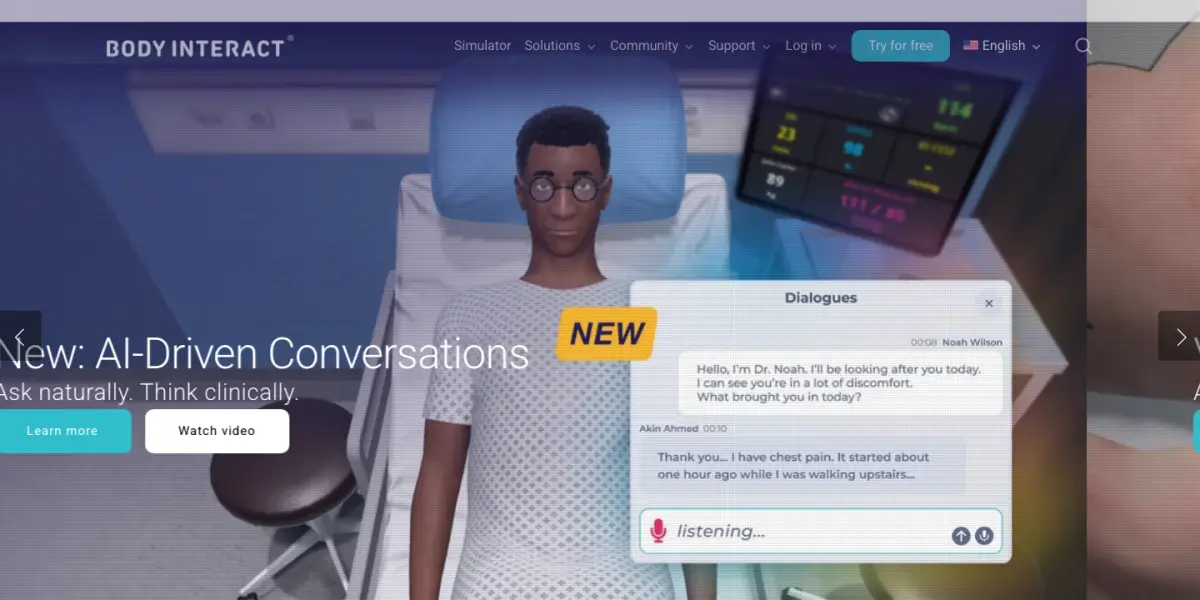
Screen-based patient simulation with AI-driven conversations: the learner asks questions in natural language, orders tests and treats a patient whose condition changes over time.
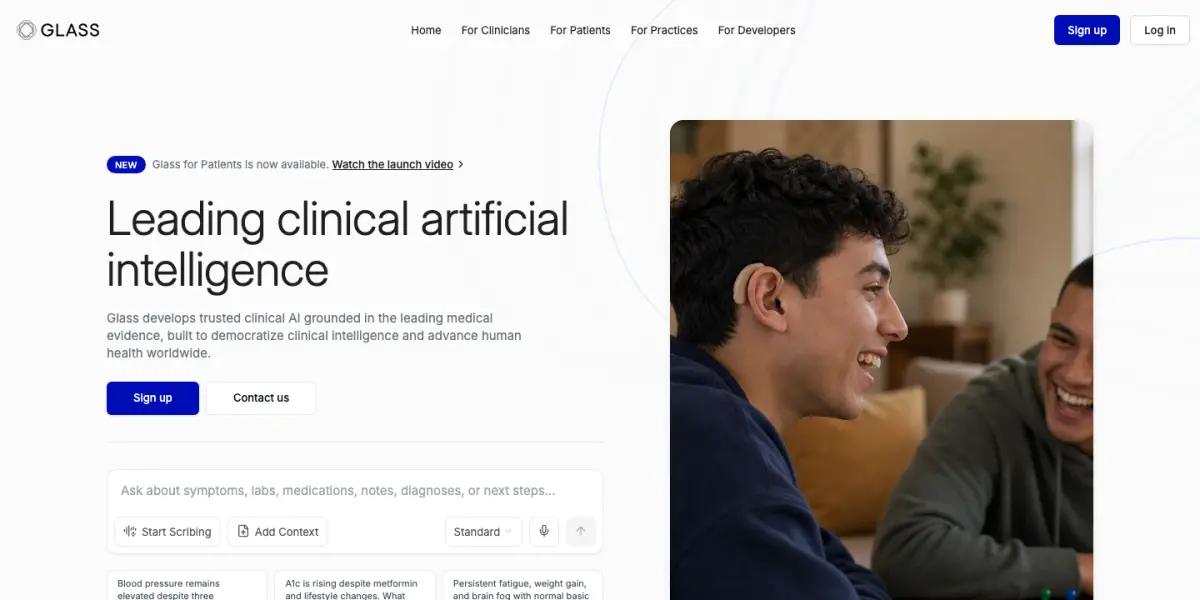
An AI assistant that drafts differential diagnoses and plans grounded in clinical literature. In teaching it is a strong case study for checking AI reasoning against your own.
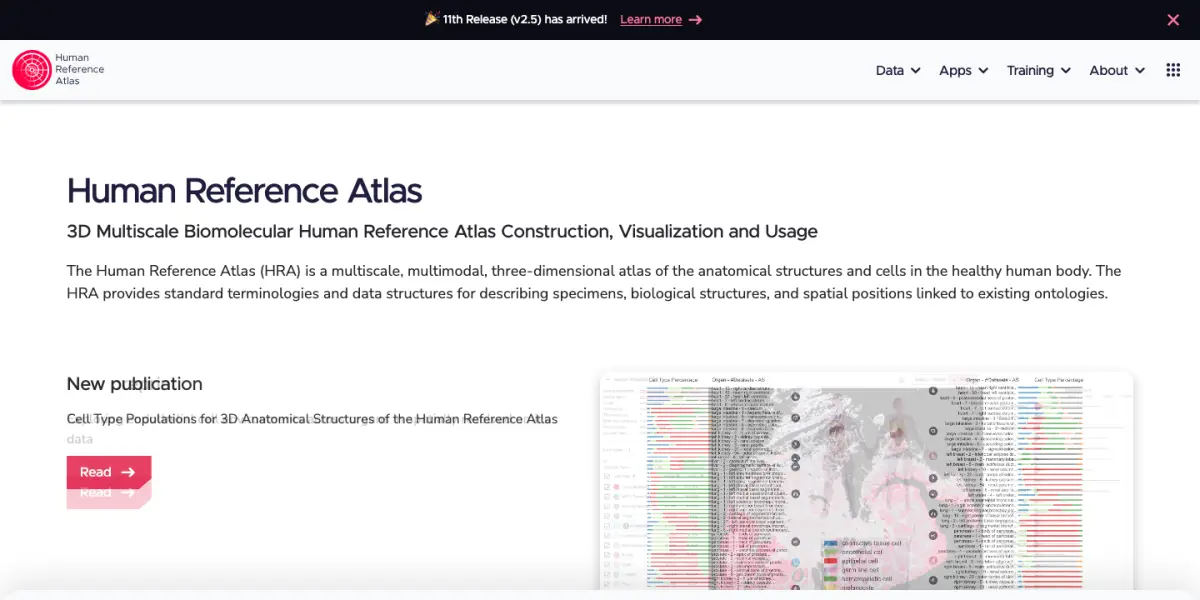
A three-dimensional atlas of organs, tissues and cell types in the healthy human body, built by the NIH-funded HuBMAP programme and free to explore.
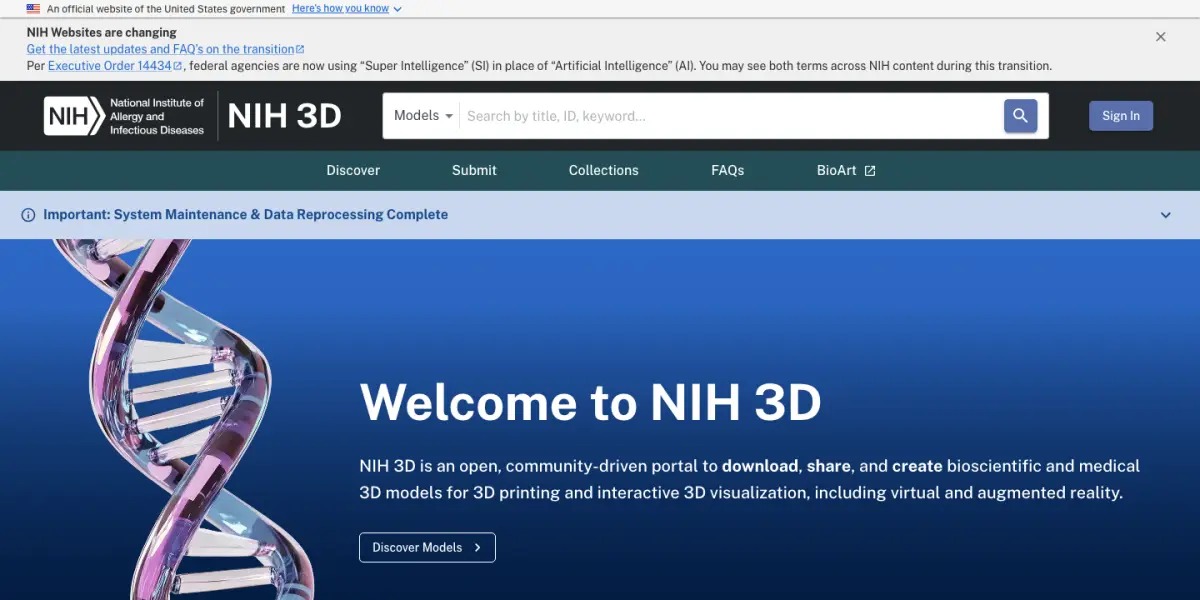
Open library of biomedical 3D models from the US National Institutes of Health, for interactive viewing, VR and 3D printing in the classroom.
From the scanner to the lecture hall. The status line says how far each area really is.
Software flags suspected findings on X-rays, CT, mammograms and retinal photos so the reader looks twice. Most AI medical devices cleared by regulators sit here.
Language models draft referral letters, discharge summaries and handovers from de-identified notes. The clinician corrects and signs.
AI search tools summarise papers and guidelines with citations. Every claim still has to be traced to its source before it changes care.
AI drafts cases, simulation scenarios, exam items and feedback; faculty validate before students see them. Virtual patients add practice time.
Handover drafts, patient leaflets in plain language and translation, roster and audit admin. Identifiers stay out of public tools.
Explaining a diagnosis in simple Malay, English or Chinese, and answering a patient who arrives with a chatbot's opinion.
Bed flow, scheduling, coding support and complaint analysis. The business case is often clearer here than at the bedside.
Protein structure prediction and trial screening are changing research; most of it has not reached routine care in Malaysia.
In clinical care an AI error can reach a patient. In education the same draft goes to a faculty member first. That makes teaching, simulation and assessment the lowest-risk place for a hospital or faculty to build real AI skills.
Our course AI in Medical & Clinical Education does exactly that: participants draft cases, simulation scenarios and exam items with AI, validate them clinically, and leave with a pilot plan for their own department.
1–2 days, in-house or public cohort, up to 25 participants. Adapted to doctors, nurses, faculties or simulation centres.
A first sorting we teach in module one. It changes fast; check the current evidence before you rely on it.
| Use | Where it stands | What an educator should teach |
|---|---|---|
| Flagging findings on medical images | Regulator-cleared products in clinical use | How the tool was validated, and why the reader stays responsible |
| Drafting notes and letters | Widely used, quality depends on the checker | De-identification, consent and a line-by-line check |
| AI literature search with citations | Useful, citations must be verified | Trace every claim to the source |
| Virtual patients for OSCE practice | Promising, evidence still building | Use for practice, never as the assessment itself |
| Chatbot diagnosis without a clinician | Not validated for unsupervised use | Why fluent answers can be wrong, and how to spot it |
| AI-written exam questions | Useful drafts, quality varies | Blueprinting and mandatory expert review |
Context: this is a teaching summary, not a product evaluation and not medical advice. For regulated devices see the US FDA list of AI-enabled medical devices.
The same technology means different things to a consultant, a ward sister, a lecturer and a hospital director. Each page shows what we teach that group.
Documentation, literature, patient communication and the MMC duties.
Handover drafts, patient education and the line you never cross.
Curriculum, simulation, assessment and study skills.
One programme and one usage policy for the whole hospital.
Two texts matter most: the MMC guideline and the Personal Data Protection Act.
The Malaysian Medical Council adopted its guideline on AI in medical practice on 18 February 2025. It allows doctors to use AI, asks them to seek appropriate training first, keeps them accountable for clinical outcomes, and forbids sharing patient data on an AI system without consent.
The PDPA treats health information as sensitive personal data. In practice that means identifiable patient details do not go into a public AI tool, and de-identification is a skill every clinician who uses AI needs.
Read more: the MMC guideline explained, patient data and AI in Malaysia and AI in healthcare in Malaysia: courses and rules. Source: MMC Guideline on the Ethical Use of AI in Medical Practice.
Every article in this series, newest first. Each ends with a practical next step.
How medical educators in Malaysia can use AI to draft single-best-answer questions and OSCE stations, and the expert review that has to follow every draft.
ReadWhat AI virtual patients are, which tools medical students use, what they train well and badly, and how Malaysian faculties can add them to OSCE preparation.
ReadTen real examples of AI in healthcare, from reading scans to drafting discharge letters and training students, with what each means for Malaysian hospitals.
ReadHow to choose an AI course for doctors in Malaysia: MMC guideline content, physician trainers, formats, price, CPD and HRD Corp funding, and what ours covers.
ReadHow medical students in Malaysia can use AI to study, with survey data on current use, risks of invented references and over-reliance, and rules for faculties.
ReadA cautious look at AI in Malaysian emergency departments: documentation and teaching first, prediction tools only after local validation, and the MMC duties.
ReadAI in healthcare in Malaysia, 2026: what doctors, nurses and hospitals can use it for, what the MMC guideline and patient data rules require, plus courses and CPD.
ReadAI changes nursing tasks but does not replace the nurse. What AI can take over, what it cannot, and the skills nurses in Malaysia should build now.
ReadChatGPT can structure notes, but patient data, accuracy and accountability limit its use in Malaysia. What the MMC guideline and PDPA mean for clinical notes.
ReadClaude and ChatGPT compared for Malaysian doctors on what matters: data terms, MMC duties, PDPA transfers, accuracy checks and cost. No winner by brand name.
ReadDo AI courses give CPD points to Malaysian doctors? How MMC and MMA CPD works, who can apply for points, how long it takes and what may be said before approval.
ReadPractical ways nurses in Malaysia can use AI on a shift: handover drafts, patient leaflets, study notes and rosters, with the data rules that apply to each.
ReadSeven ways Malaysian medical schools and hospitals can use AI in teaching, simulation and assessment, with the review step each needs and the main risks.
ReadWhere AI saves doctors time in Malaysia, from letters to literature to teaching, where it fails, and the MMC duties on consent, data and validation that apply.
ReadWhat Malaysian clinicians may put into AI tools: MMC clause 3(6), health data as sensitive data under the PDPA, cross-border transfers, de-identification.
ReadCan Malaysian doctors use AI tools? Yes, and they stay fully accountable. The MMC guideline in plain words: training, consent, patient data, with clause numbers.
ReadHow Malaysian hospitals and schools can use AI in simulation training: scenario drafting, virtual patients and debriefs, with faculty review and data rules.
ReadHospital training bodies face AI hype and compliance pressure. A production path for clinical education — led by practitioners, not generic hospital workshops.
ReadBoth medical leads work in emergency medicine and teach clinicians. Their profiles list posts, qualifications and publications with sources.
Medical Lead · AI in Medical Training
Professor of Emergency Medicine at Universiti Malaya and Senior Consultant Trauma & Emergency Physician at UMMC, with more than 25 years in emergency medicine. He has trained thousands of doctors, nurses and paramedics, chaired the national emergency medicine exam board and advised health systems in Sudan, Bhutan, the Maldives and India. Clinicians already ask him what AI will change, so he leads our medical track.

AI in Medical Training Lead
Emergency Physician at Hospital Putrajaya, a Ministry of Health hospital. She published research on bystander CPR from the Trauma and Emergency Department at Universiti Malaya Medical Centre and teaches life support. She completed AI in healthcare training at the National University of Singapore and leads how we apply AI to clinical training delivery.
If yours is not here, ask us directly — we reply within one business day.
Mainly in three ways: software that helps read medical images, language models that draft documentation, letters and teaching material, and simulation tools with virtual patients. Imaging tools are the most validated; language models are the most widely used and need a clinician to check every output.
Educators use AI to draft clinical cases, simulation scenarios, exam questions and feedback on student work, and students practise with AI virtual patients. Faculty validate every draft before students see it. Our course AI in Medical & Clinical Education teaches this workflow.
Yes, within the Malaysian Medical Council guideline of 2025: seek appropriate training first, keep patient data out of AI systems without consent, validate every output and remain accountable for the clinical outcome.
Not in any form we can see today. AI takes over drafting, searching and sorting tasks; judgement, examination, procedures and responsibility stay with the clinician. The skills that change are checking AI output and knowing when not to use it.
winsym.ai runs AI in Medical & Clinical Education, a one- to two-day course led by two emergency physicians, Prof. Dato' Dr. Rishya Manikam and Datin Dr. Sri Latha Balakrishnan. It runs in-house for hospitals and faculties and as a public cohort, and is HRD Corp claimable for registered employers.
No. These are education programmes about using AI tools in teaching, documentation, study and administration. They do not teach clinical procedures, they do not validate any AI product for clinical use, and nothing in them is medical advice.
Tell us who would take part and what you teach. A physician from our team joins the first call.