Integrating AI Into Clinical Training — What Hospitals Should Build First
Hospital training bodies face AI hype and compliance pressure. A production path for clinical education — led by practitioners, not generic hospital workshops.
Build clinical training AI in this order: curriculum map, version-controlled source library, sandbox with no live patient data, faculty review workflow, then measurement. The MMC guideline expects training before clinical AI use and forbids sharing patient data without consent, so use synthetic or de-identified cases.
Part of the guide: AI in Healthcare in Malaysia: Courses and Rules for Doctors, Nurses and Hospitals (2026)
On this page
- What is clinical training AI, and what is it not?
- What should a hospital build first?
- Why does a clinical bench change the outcome?
- Which governance controls does medical training AI need?
- Why do hospital AI training projects stall?
- What do the rules require?
- What to do next
- Sources
- Frequently asked questions
Hospitals are under dual pressure: clinicians must learn AI tools, and leadership must show governance — without turning training into another slide deck vendors recycle nationwide.
We approach this differently. Our team includes in-house medical specialists who sit in the same room as engineers — not outsourced "healthcare vertical" sales reps.
What is clinical training AI, and what is it not?
Clinical training AI is not:
- A public-facing symptom checker for patients
- A generic ChatGPT workshop with HIPAA slides copied for Malaysia
- A pilot that dies when the MO leaves
It is:
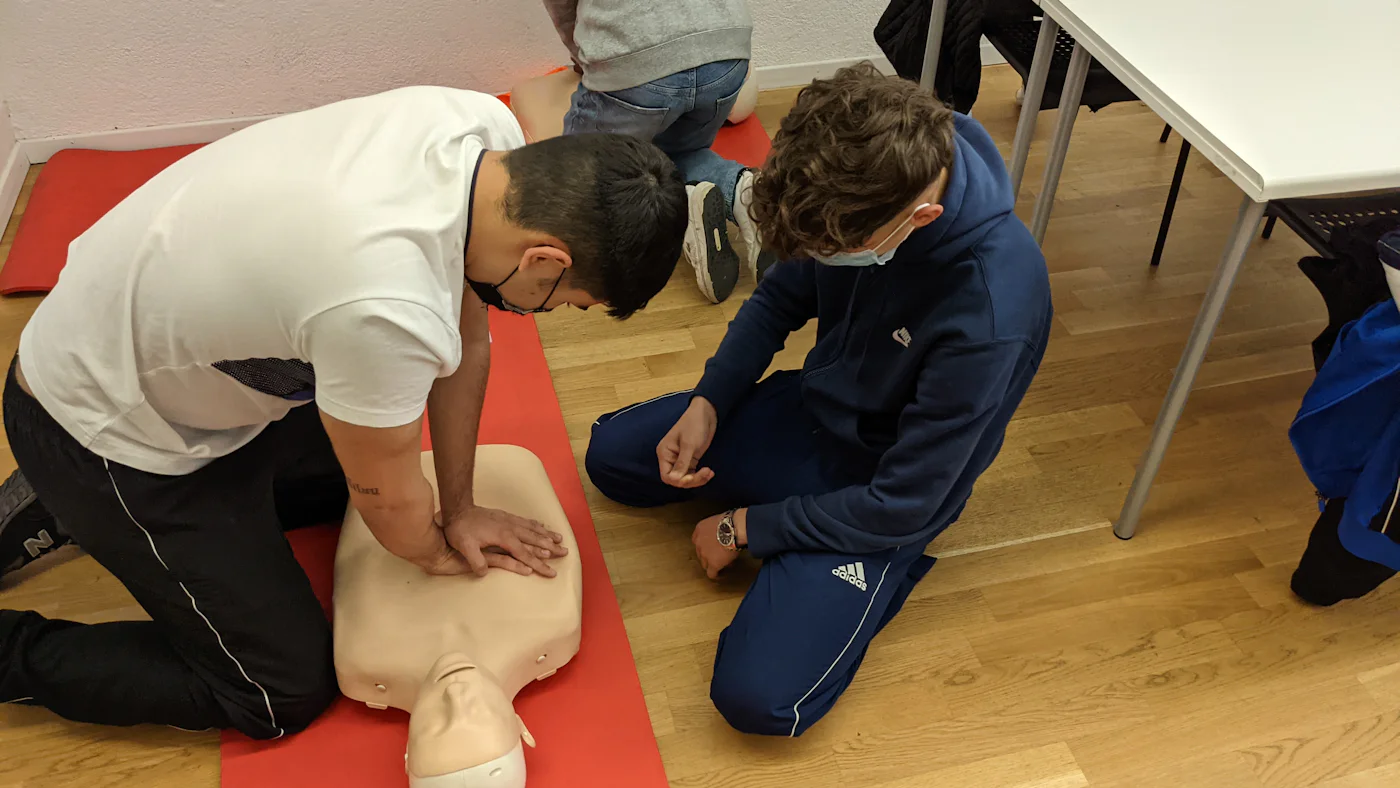
- Case-based learning aligned to local protocols
- Simulated documentation workflows (SOAP, handover, referral letters)
- Faculty-reviewed content — AI assists, clinicians approve
- Audit logs for what trainees saw and submitted
What should a hospital build first?
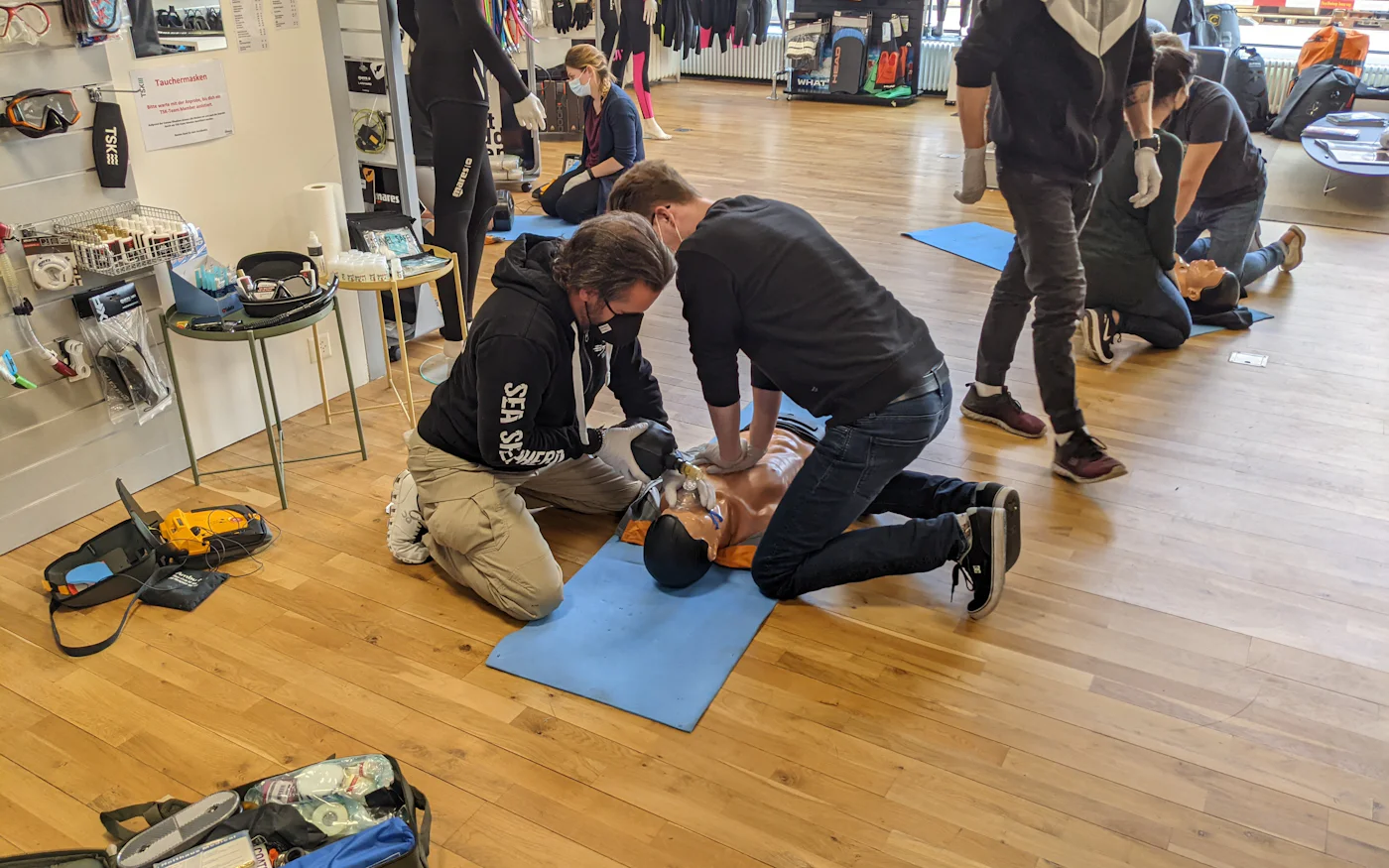
- Curriculum map — which competencies, which departments, which assessment format
- Source-of-truth library — protocols, SOPs, local formularies (version-controlled)
- Sandbox environment — no live patient data; synthetic or de-identified cases only
- Faculty workflow — review queue, edit, publish, retire
- Measurement — completion, time-on-task, pre/post scores, faculty hours saved
Skip step 2 and you build a liability, not a program.
Why does a clinical bench change the outcome?
Generic vendors underestimate:
- Local practice variation — what works in a US residency case may mis-train here
- Language — BM/English clinical mix in prompts and expected outputs
- Faculty bandwidth — if AI creates more marking work, adoption dies
We pair Prof. Rishya and Dr. Sri Latha (and extended specialist network) with integration engineers so training content and data pipes are designed together — one backlog, one owner, one readout.
Which governance controls does medical training AI need?
Minimum controls we implement on every medical training engagement:
- Role-based access (trainee / faculty / admin)
- No training data used to fine-tune public models without written approval
- Prompt and output retention policy aligned to hospital IT
- Escalation path when AI output conflicts with protocol
Why do hospital AI training projects stall?
A typical pattern is a generic "AI in healthcare" keynote, then IT buys a platform, faculty are asked to find use cases without protected time, one enthusiastic ward pilots it, and nothing transfers to other departments. When the board asks for results, nobody measured baseline faculty hours. This is the same gap we describe in why AI pilots fail in production, with higher stakes.
| Role | Without a clinical bench | With a clinical bench |
|---|---|---|
| Case design | IT or vendor examples | Specialist-written, locally valid |
| Error review | Ignored until an incident | Faculty queue, versioned fixes |
| Language | English-only prompts | BM and English clinical expectations |
| Integration | Separate LMS and AI tool | One trainee journey, logged |
| Buy-in | "An IT project" | Department-owned curriculum |
What do the rules require?
The Malaysian Medical Council's guideline expects practitioners to seek appropriate training before using AI in clinical practice (clause 3(4)) and says patient data must not be shared on any AI system without the patient's consent (clause 3(6)(b)). That is why the sandbox uses synthetic or de-identified cases only. The clauses are summarised in the MMC guideline explained. For personal data in the training platform itself, the PDPA applies, so document data classification per environment, retention and deletion schedules, faculty attestation on published cases and trainee acknowledgement trails. Training AI that cannot produce an audit trail is not enterprise-ready, whatever the model brand. Our method for this is the usual one: audit faculty hours and marking load, align deans and heads of department on one measurable pilot, then build the sandbox, content pipeline and assessment hooks (see the winsym Method).
What to do next
If your hospital or training body is evaluating "AI workshops," ask whether the vendor can name assessment KPIs and faculty hours saved — not just attendance.
Bring one concrete module (handover, case presentation or referral documentation) to the first call. Book a discovery call. We will tell you if you need build, workshops, or neither yet. Our AI courses for doctors cover the individual side.
Sources
- Malaysian Medical Council, Guideline on the Ethical Use of Artificial Intelligence (AI) in Medical Practice, Version 1/2025, clauses 3(4) and 3(6), read in full November 2026 (checked November 2026).
- Personal Data Protection Commissioner, Act 709, pdp.gov.my.
General information, not medical or legal advice.
Frequently asked questions
What should a hospital build first for AI in clinical training?
A curriculum map and a source-of-truth library of local protocols, then a sandbox with synthetic or de-identified cases. Without the library the AI teaches from whatever it was trained on, which may not match local practice.
Can trainees use real patient cases in an AI tool?
Not without the patient's consent. Clause 3(6)(b) of the MMC guideline says patient data must not be shared on any AI system without consent. Use synthetic or properly de-identified cases in a sandbox.
How do you measure whether AI training works?
Track completion, time on task, pre and post scores and faculty hours saved against a baseline taken before the pilot. Attendance alone says nothing about practice.
Does the MMC require AI training for doctors?
Clause 3(4) says practitioners should seek appropriate training before using AI tools in clinical practice. It names no course, provider or number of hours.