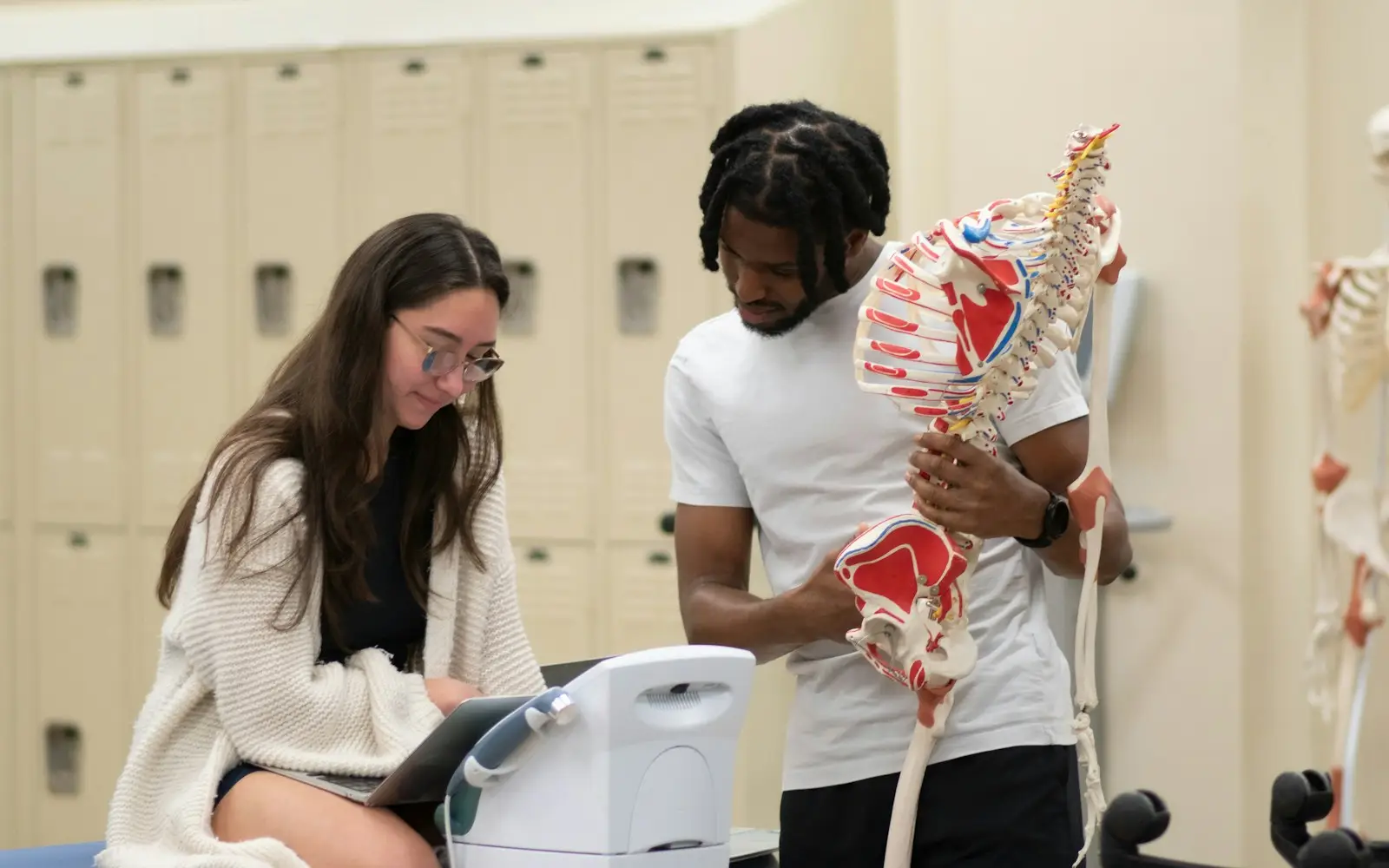
 For students · half day
AI for medical students
For pre-clinical and clinical years, booked by the faculty or a student society for a whole cohort.
Programmes for medical and nursing faculties in Malaysia: faculty development for the people who teach and examine, and practical sessions for students who already use AI and need to use it well.
winsym.ai works with medical and nursing faculties in Malaysia in two ways: a one to two day faculty programme on AI in curriculum, simulation and assessment, and half-day sessions for students on study, research and safe use. Both are led by Prof. Dato' Dr. Rishya Manikam, a former national exam-board chair in emergency medicine.
| For faculty | 1–2 days. Curriculum mapping, simulation cases, assessment items, governance. |
|---|---|
| For students | Half day. Study, research, clinical reasoning practice, integrity. |
| Led by | Prof. Dato' Dr. Rishya Manikam, Professor of Emergency Medicine, Universiti Malaya |
| Guest lectures | Available for faculties and student societies |
Students need to use AI well. Their teachers need to teach with it and assess it. We run both, and most faculties start with the teachers.
For students · half day
For pre-clinical and clinical years, booked by the faculty or a student society for a whole cohort.
 For educators · 1–2 days
For lecturers, professors, clinical educators, simulation leads and examiners. Our full course, adapted to your curriculum.
We work with institutions, not individual sign-ups: students join through their faculty, student society or hospital, and educators through their department. Individuals can join a public cohort of the educators' course.
Educators build cases, items and lesson plans for their own courses.
AI can draft a hundred exam questions in a minute. Some will be good, some subtly wrong, and a few dangerous. The difference is found by blueprinting and by expert review, not by the tool.
Prof. Rishya chaired the national Emergency Medicine Specialty Conjoint Committee from 2011 to 2012 and sat on the postgraduate board of examiners until 2020. He also created the patented Effective Resuscitation Model, taught in training programmes in several countries. The assessment module comes from that experience: where AI saves an examiner time, and which steps a human must never skip.
Four steps, usually inside one semester.
We meet the dean's office or the medical education unit and agree which modules, which staff and which policy questions are in scope.
One or two days with your educators. They build cases, items and lesson plans for their own courses.
Half-day sessions per cohort, aligned with the rules your faculty has just agreed.
After the pilot module, a review of what worked, what staff stopped using and what the policy needs next.
Both medical leads work in emergency medicine and teach clinicians. Their profiles list posts, qualifications and publications with sources.
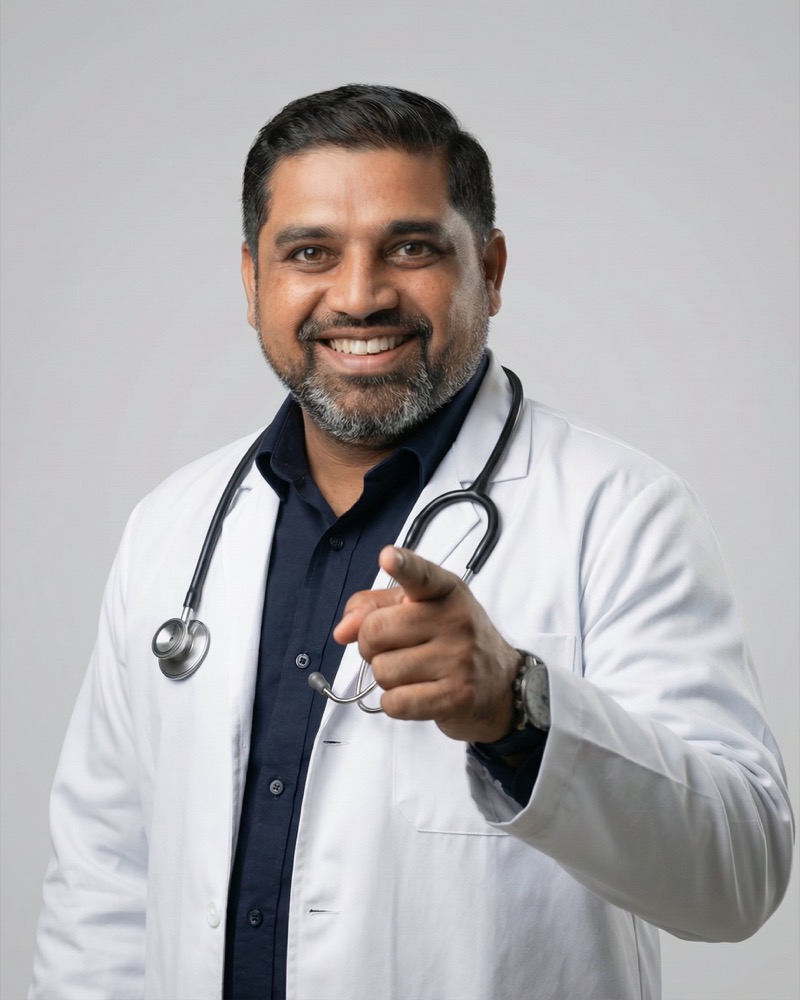
Medical Lead · AI in Medical Training
Professor of Emergency Medicine at Universiti Malaya and Senior Consultant Trauma & Emergency Physician at UMMC, with more than 25 years in emergency medicine. He has trained thousands of doctors, nurses and paramedics, chaired the national emergency medicine exam board and advised health systems in Sudan, Bhutan, the Maldives and India. Clinicians already ask him what AI will change, so he leads our medical track.
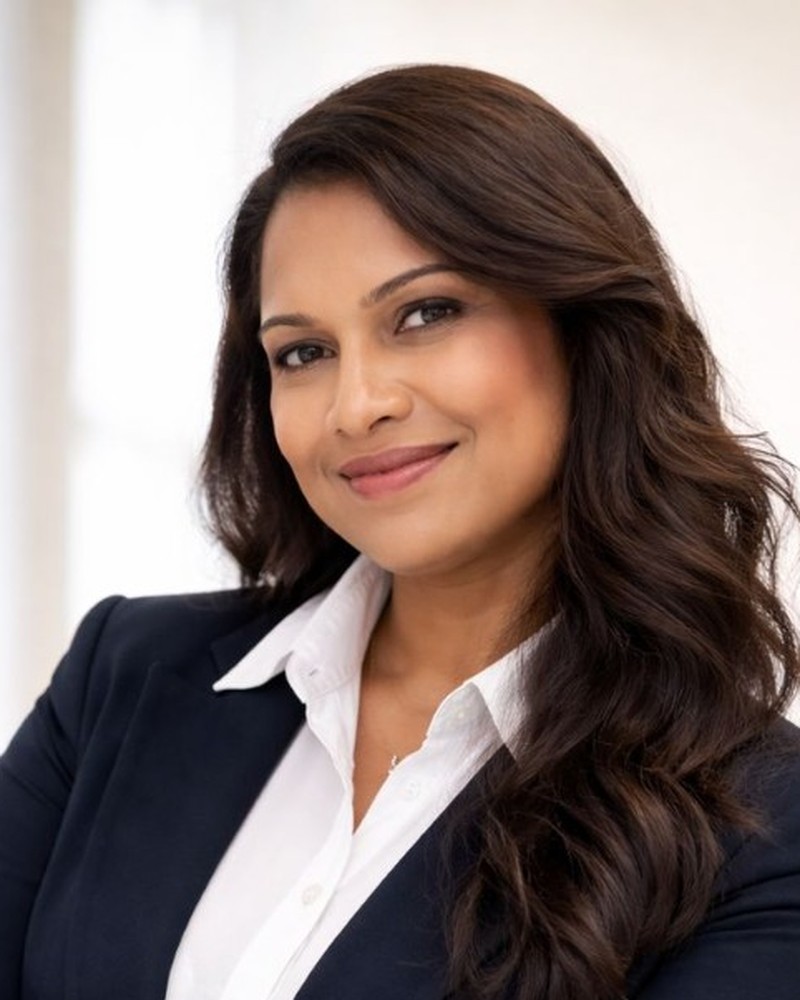
AI in Medical Training Lead
Emergency Physician at Hospital Putrajaya, a Ministry of Health hospital. She published research on bystander CPR from the Trauma and Emergency Department at Universiti Malaya Medical Centre and teaches life support. She completed AI in healthcare training at the National University of Singapore and leads how we apply AI to clinical training delivery.
If yours is not here, ask us directly — we reply within one business day.
Start with the faculty. Agree where AI is allowed in coursework and assessment, train the educators to use it in their own teaching, then teach students the same rules with practical exercises: how the tools fail, how to verify output, and how to protect patient information on placements.
winsym.ai runs half-day AI sessions for medical students, organised through the faculty or a student society. They cover study and research skills, clinical reasoning practice with constructed cases, and academic integrity.
Yes. Prof. Rishya and Dr. Sri Latha give guest lectures and talks for faculties, conferences and student societies. Tell us the audience and the date.
Public universities are statutory bodies and outside the HRD Corp levy system, so programmes are quoted directly to the faculty. Private universities and colleges that are registered employers can apply under HRD Corp Claimable Courses for staff training, subject to approval.
Not at present, and we do not advertise points. In Malaysia CPD points are awarded through recognised providers such as hospitals, universities and professional societies. If your institution hosts the session, it can apply for points for its own event, and we supply the programme, learning outcomes and speaker details it needs.
No. These are education programmes about using AI tools in teaching, documentation, study and administration. They do not teach clinical procedures, they do not validate any AI product for clinical use, and nothing in them is medical advice.
Tell us the faculty, the year groups and what you want staff and students to be able to do. We reply within one business day.