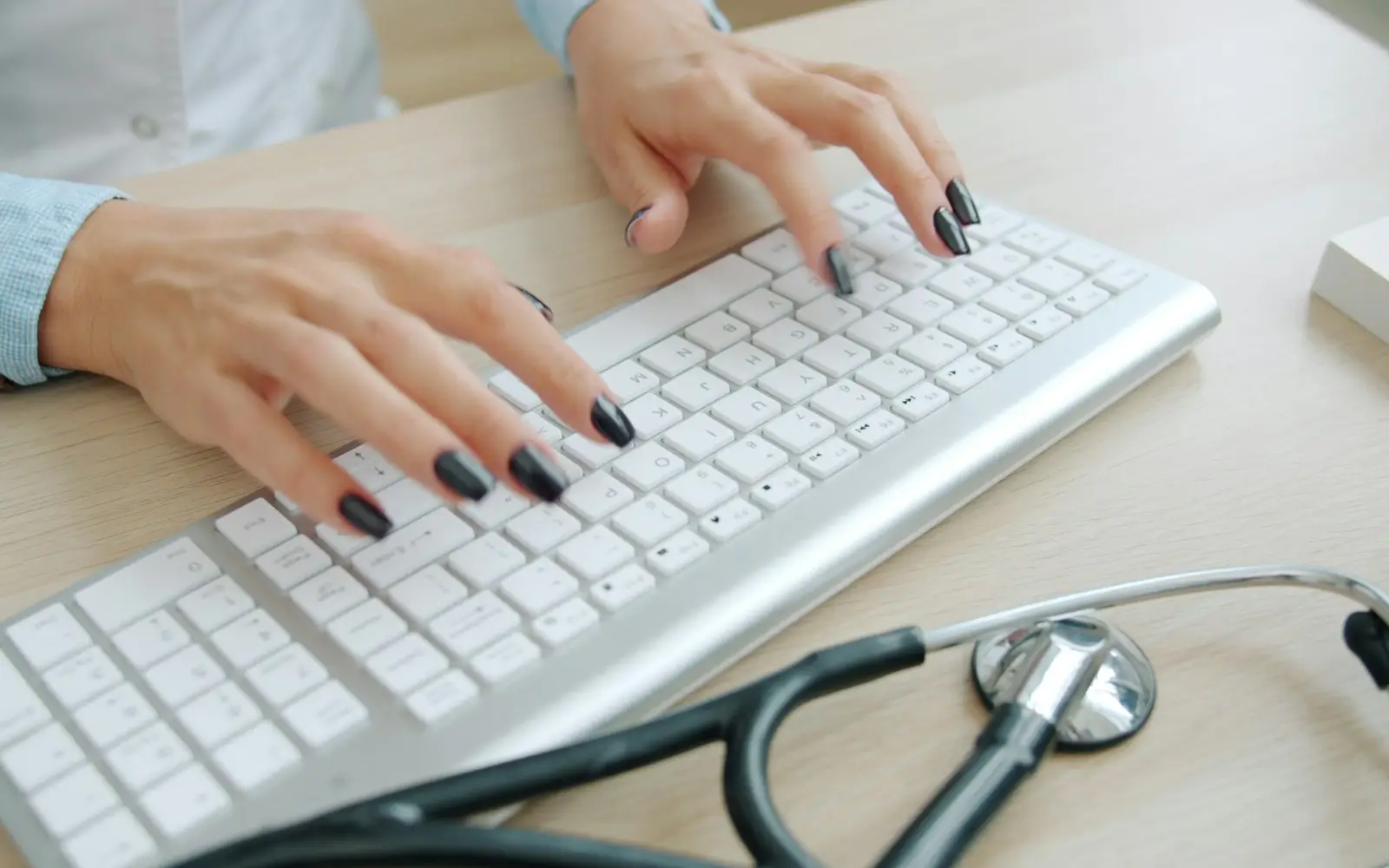
AI education for healthcare taught by physicians

Courses for doctors, nurses, medical faculties and hospital teams in Malaysia. Two emergency physicians lead the teaching, and every session follows the Malaysian Medical Council guideline on AI in medical practice.

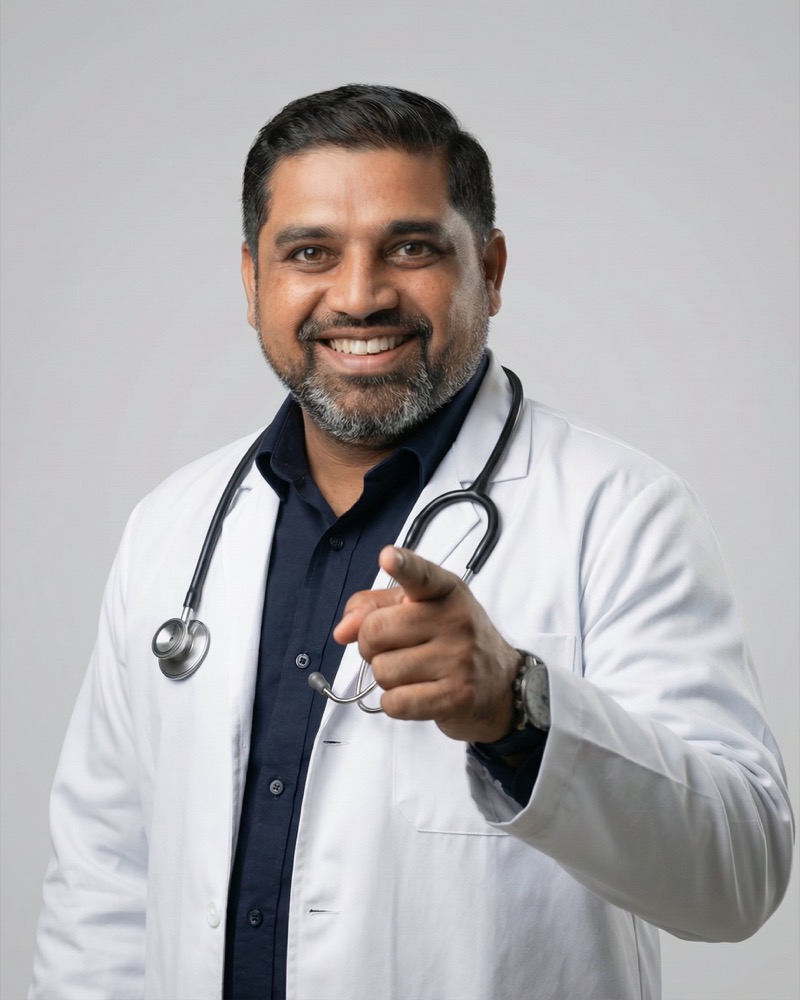
Prof. Dato' Dr. Rishya ManikamMedical Lead · AI in Medical TrainingLeads the training

In short

Short answer

winsym.ai runs AI courses for the Malaysian health sector: for doctors, for nurses and allied health staff, for medical schools and for hospital teams. They are led by Prof. Dato' Dr. Rishya Manikam, Professor of Emergency Medicine at Universiti Malaya with more than 25 years in trauma care, and Datin Dr. Sri Latha Balakrishnan of Hospital Putrajaya, and run in-house from half a day to two days.

At a glance
Who teachesProf. Dr. Rishya Manikam and Dr. Sri Latha Balakrishnan, emergency physicians
FormatsHalf-day briefing, one-day course, two-day programme. In-house at your hospital or faculty.
Built onThe MMC Guideline on the Ethical Use of AI in Medical Practice (2025)
ScopeEducation about AI. Not clinical training, not medical advice.

General AI tools, used safely

We teach the tools your institution approves and never sell or endorse clinical AI products.

Tools: ChatGPT, Claude, Gemini, Microsoft Copilot, Perplexity, Notion, Zoom, Microsoft Teams, Google Drive, Excel.

Every technique paired with a check

A draft that reads well can still be unsafe.

Notes

M, 60s. Chest pain 2 h, radiates to L arm. ECG: ST changes II, III, aVF. Trop pending. Allergy: penicillin.

AI draft

Dear colleague, I am referring a man in his sixties with two hours of chest pain radiating to the left arm. His ECG shows ST changes in the inferior leads. Troponin is pending. He has a penicillin allergy.

4 points to check before it is used

Example with invented details. No patient data goes into a public tool.

Why clinicians should learn this from clinicians

Most AI courses are written for offices. Their examples are sales emails and slide decks, and their safety advice ends at “do not paste confidential data”.

Medicine needs more than that. A wrong summary can reach a patient. A convincing reference may not exist. A draft that reads well can still be unsafe. Our medical lead, Prof. Rishya Manikam, has trained thousands of doctors, nurses and paramedics, chaired the national emergency medicine exam board and advised health ministries in Sudan, Bhutan and the Maldives. So the course starts from clinical consequences and works back to the tool.

  • Cases and exercises from real teaching, with no patient data
  • Every technique paired with a check the clinician performs
  • Policy and consent covered alongside prompting
Prof. Dato' Dr. Rishya Manikam in a white coat

What the MMC guideline asks of a doctor

The Malaysian Medical Council adopted its AI guideline on 18 February 2025. Every session we teach is mapped to it.

Selected clauses of the MMC AI guideline and where our teaching covers them

Clause 3(4)

What it says
Practitioners “should seek appropriate training before using AI tools” in clinical practice.
Where we cover it
The whole programme

Clause 3(5)(c)

What it says
The practitioner remains “responsible and accountable for the patient’s clinical outcomes”.
Where we cover it
Accountability and the limits of delegation

Clause 3(6)(b)

What it says
“Patient data must not be shared on any AI system without the patient’s consent.”
Where we cover it
Patient data, consent and de-identification

Clause 3(9)

What it says
AI tools “should complement, not replace clinical judgement”.
Where we cover it
Where AI helps and where it must not decide

Clause 3(13)

What it says
Practitioners “must validate AI recommendations and intervene as necessary”.
Where we cover it
Checking output: sources, errors, bias

Clause 3(10)–(11)

What it says
Be cautious about over-reliance and “guard against skills degradation”.
Where we cover it
Teaching and supervising with AI in the room

Source: MMC Guideline on the Ethical Use of AI in Medical Practice, Version 1/2025. Quotations are from section 3. Read the full text before you rely on any summary, including ours. Last checked 11 October 2026.

Less typing, clearer patient material

Referral letters, discharge summaries and handover notes drafted with AI and corrected by you.

Hours on notes, letters and reportsOut of a 40-hour week
  • 10 hoursDoctors
  • 12 hoursAdmin
  • 14 hoursNurses
Example figures to show the idea, not survey data.

Taught by practising physicians

Both medical leads work in emergency medicine and teach clinicians. Their profiles list posts, qualifications and publications with sources.

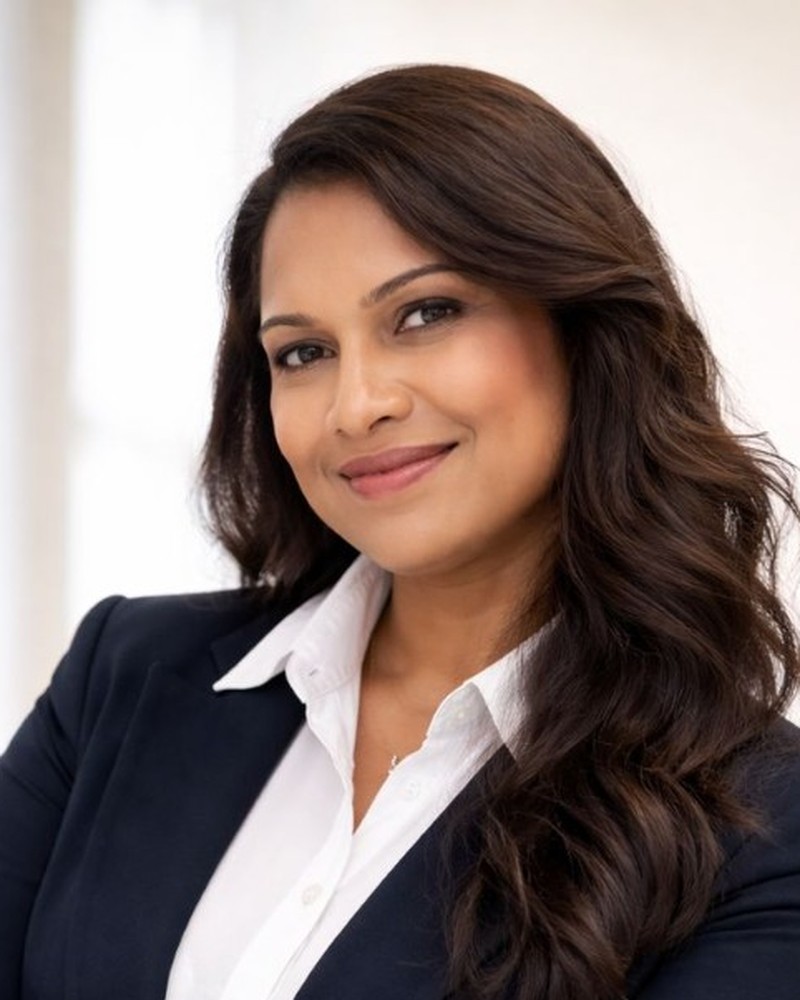
Prof. Dato' Dr. Rishya Manikam, Professor of Emergency Medicine, in a white coat

Prof. Dato' Dr. Rishya Manikam

Medical Lead · AI in Medical Training

Professor of Emergency Medicine at Universiti Malaya and Senior Consultant Trauma & Emergency Physician at UMMC, with more than 25 years in emergency medicine. He has trained thousands of doctors, nurses and paramedics, chaired the national emergency medicine exam board and advised health systems in Sudan, Bhutan, the Maldives and India. Clinicians already ask him what AI will change, so he leads our medical track.

Professor of Emergency Medicine25+ years in trauma careUnsung Hero Award 2026FAMM
Full profile: Prof. Dato' Dr. Rishya Manikam

Datin Dr. Sri Latha Balakrishnan, portrait

Datin Dr. Sri Latha Balakrishnan

AI in Medical Training Lead

Emergency Physician at Hospital Putrajaya, a Ministry of Health hospital. She published research on bystander CPR from the Trauma and Emergency Department at Universiti Malaya Medical Centre and teaches life support. She completed AI in healthcare training at the National University of Singapore and leads how we apply AI to clinical training delivery.

Hospital PutrajayaEmergency physicianAI in healthcare · NUS

Full profile: Datin Dr. Sri Latha Balakrishnan

Medical AI questions

If yours is not here, ask us directly — we reply within one business day.

What is Winsym AI in healthcare?

Winsym AI is an AI training and consulting company in Kuala Lumpur with a dedicated medical education practice. Two practising emergency physicians — Prof. Dato' Dr. Rishya Manikam, Professor of Emergency Medicine at Universiti Malaya, former chair of the national emergency medicine exam board and recipient of the Unsung Hero Award 2026, and Datin Dr. Sri Latha Balakrishnan, Emergency Physician at Hospital Putrajaya — lead how we teach AI to clinicians, medical faculties and hospital teams in Malaysia.

Is there an AI course for doctors in Malaysia?

Yes. winsym.ai runs AI courses for doctors in Malaysia, led by two emergency physicians: Prof. Dato' Dr. Rishya Manikam, Professor of Emergency Medicine at Universiti Malaya, and Datin Dr. Sri Latha Balakrishnan, Emergency Physician at Hospital Putrajaya. Courses run in-house for hospitals, departments and faculties.

Does the course carry CPD points?

Not at present, and we do not advertise points. In Malaysia CPD points are awarded through recognised providers such as hospitals, universities and professional societies. If your institution hosts the session, it can apply for points for its own event, and we supply the programme, learning outcomes and speaker details it needs.

What does the MMC say about doctors using AI?

The Malaysian Medical Council adopted its Guideline on the Ethical Use of AI in Medical Practice on 18 February 2025. Among other things it says practitioners should seek appropriate training before using AI tools, remain accountable for clinical outcomes, must validate AI recommendations, and must not share patient data on an AI system without the patient's consent.

Can a hospital claim the course from HRD Corp?

Private hospitals, clinics and healthcare companies that are registered employers can apply under HRD Corp Claimable Courses, subject to HRD Corp approval, levy balance and the cost matrix. We confirm in the quotation whether the programme and trainer you choose are covered. Government hospitals and public universities are outside the levy system and are quoted directly.

Is this clinical training or medical advice?

No. These are education programmes about using AI tools in teaching, documentation, study and administration. They do not teach clinical procedures, they do not validate any AI product for clinical use, and nothing in them is medical advice.

Which AI tools do you teach?

We teach a method that works across general tools such as ChatGPT, Claude, Microsoft Copilot and Gemini, on the accounts your institution has approved. We do not sell or endorse clinical AI products.

Plan a session for your team

Tell us who the course is for, how many people and how much time you have. A physician from our team joins the first call.

What can we help with?
How big is the team?
10 people
What do you want to change? (pick any)
Where should we reply?
Or book a time directly