Karim Azzaoui
Founder & CEO · AI for business, coaching & software
Google PartnerMeta PartnerClaude AI certified
For more than 25 years doctors, patients and health ministries have trusted him with emergencies, examinations and hard health questions. Today they ask him what AI will change. At winsym.ai he leads our medical track.
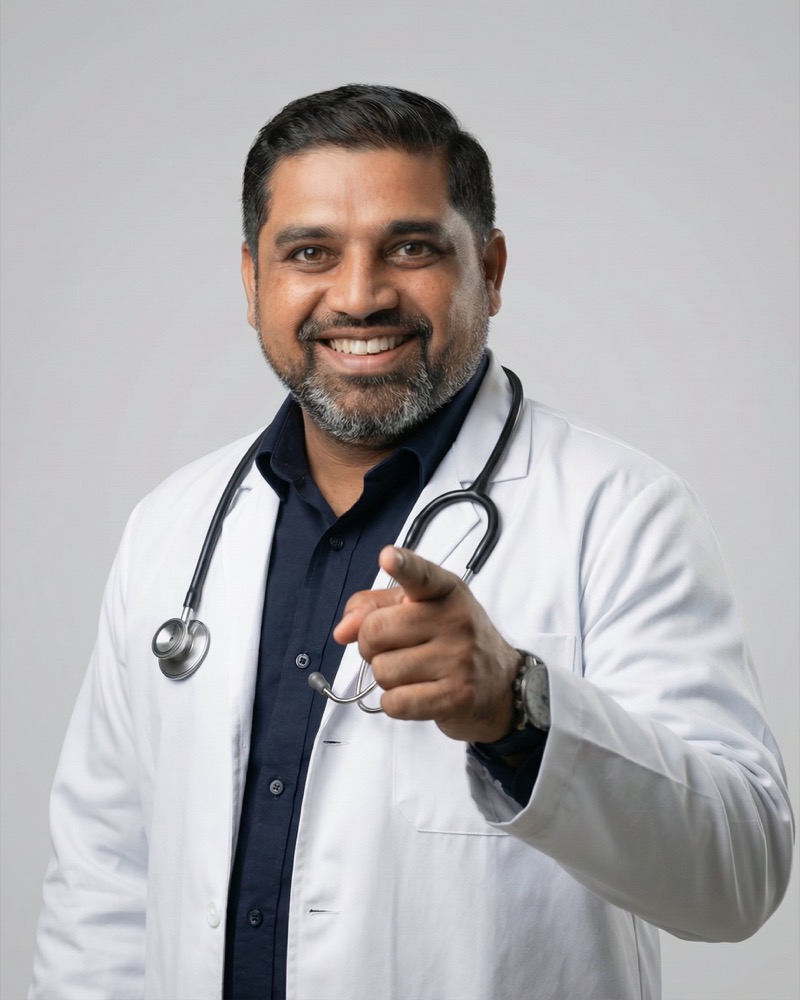
| Current posts | Professor of Emergency Medicine, Faculty of Medicine, Universiti Malaya. Senior Consultant Trauma & Emergency Physician, University of Malaya Medical Centre (UMMC). Consultant at UM Specialist Centre. |
|---|---|
| Experience | More than 25 years in emergency medicine, trauma care, critical care, resuscitation and medical education |
| Qualifications | MBBS, Manipal (2003), gold medallist and best outgoing student. Master of Emergency Medicine, Universiti Malaya (2010). Fellow, Academy of Medicine of Malaysia (FAMM). |
| Specialist register | National Specialist Register No. 127947 (emergency medicine) |
| Recognition | Unsung Hero Award 2026. Mahatma Gandhi Peace Award 2026. Darjah Indera Mahkota Pahang (DIMP), 2017, which carries the title Dato'. |
| International work | Consultant, examiner and faculty for emergency medicine in Sudan, Bhutan, the Maldives and India |
| Research record | About 2,400 citations, h-index 29 (Google Scholar, October 2026) |
| Medico-legal | Second-opinion consultations and expert witness in medico-legal matters |
| Outside medicine | 8th Dan black belt grandmaster, Moo Do Kwan. 6th Dan Kukkiwon taekwondo and Vice President, World Para Taekwondo Federation. Founder of FAMA (First Aid in Martial Arts). Two-term President, Malaysian Underwater Hockey Association. |
Prof. Rishya graduated in medicine from Manipal in 2003 as gold medallist and best outgoing student of his year, and completed the Master of Emergency Medicine at Universiti Malaya in 2010. He has practised and taught at Universiti Malaya since: today as Professor of Emergency Medicine and Senior Consultant Trauma & Emergency Physician at University of Malaya Medical Centre.
He headed the university's academic unit for emergency and trauma from 2011 to 2013 and again from 2019 to 2021. His clinical work covers trauma systems, resuscitation, point-of-care ultrasound and prehospital care.
Many of the doctors, nurses and paramedics he has trained now work across Malaysia and abroad. From 2011 to 2012 he chaired the national Emergency Medicine Specialty Conjoint Committee, which coordinates specialist training across Malaysian universities. He was chief coordinator of the Part 1 conjoint board examinations from 2011 to 2013 and sat on the board of examiners from 2011 to 2020.
Over fifteen years he supervised around 80 Master of Emergency Medicine candidates. He is a Fellow of the Academy of Medicine of Malaysia and a fellow and consultant to several emergency medicine societies.
Ministries and medical councils have asked him to evaluate services and design training. His university record lists:
He created the Effective Resuscitation Model, a patented and copyrighted framework for running resuscitation more reliably as a team. It has been taught in training programmes in several countries and shapes how emergency teams practise for the minutes that decide outcomes.
Patients and doctors come to him for evidence-based second opinions when a diagnosis or a treatment plan is unclear. Courts and lawyers engage him as an expert witness in medico-legal matters. Both jobs come down to the same skill: reading a case carefully and saying plainly what the evidence supports.
His work is cited about 2,400 times on Google Scholar, with an h-index of 29 (October 2026). Topics include airway ultrasound, prehospital scoring, analgesia in trauma, organ donation and dengue research.
He founded Pora Pokkule, a Tamil-language health education channel that explains medicine in plain words and reaches hundreds of thousands of people. Malaysian media ask him to explain health risks: in August 2026 he spoke on Bernama TV about the effects of haze on healthy adults, reported by Bernama, Berita Harian and Malay Mail.
He holds an 8th Dan black belt in Moo Do Kwan and a 6th Dan in Kukkiwon taekwondo, serves as Vice President of the World Para Taekwondo Federation, and founded FAMA, First Aid in Martial Arts, which brings emergency first aid into dojos and tournaments. He served two terms as President of the Malaysian Underwater Hockey Association.
His humanitarian work includes a medical mission to Gaza in 2010, free medical camps, disaster preparedness programmes, health outreach and disaster-response missions with governments, universities and NGOs.
The awards he has received are for work done over many years, most of it outside the spotlight:
When a doctor has taught a generation of clinicians and explained health to the public for years, people bring him their new questions too. Colleagues, students and patients started asking him what AI means for diagnosis, training and their own jobs, and whether the tools can be trusted.
He answers the way he practises emergency medicine: fast decisions, incomplete information, and a clear line between what a tool may suggest and what a clinician must check. As founder and CEO of the AMEDZON Healthcare Ecosystem he works on digital health and AI-supported care delivery, and in 2025 he ran a webinar series for doctors, nurses and medical students on prompting for clinical decisions.
At winsym.ai he leads the medical track: what AI can responsibly do in teaching, simulation and assessment, where every output needs a clinician's check, and what never goes into a public model.
The medical track is built by clinicians who teach and examine. It is education about using AI in medical teaching. It is not clinical training and not medical advice.
His projects outside winsym.ai: courses, public health education, research and a mark of trust for healthcare.
Talks, media appearances and the archive of his work.
ACLS, BLS, PALS and NRP courses for clinicians and teams.
Tamil-language health education for the public.
A directory and an independent mark of trust for clinics, services and products. Preview.
Publications and citations in emergency medicine.
Indexed papers on emergency and acute care.
If yours is not here, ask us directly — we reply within one business day.
He is Professor of Emergency Medicine at Universiti Malaya and Senior Consultant Trauma & Emergency Physician at University of Malaya Medical Centre in Kuala Lumpur, with more than 25 years in emergency medicine. He chaired the national Emergency Medicine Specialty Conjoint Committee, created the patented Effective Resuscitation Model and received the Unsung Hero Award in 2026. He leads AI in medical training at winsym.ai.
The Unsung Hero Award (2026), the Mahatma Gandhi Peace Award (2026) and the state honour Darjah Indera Mahkota Pahang (2017), which carries the title Dato'. He graduated from Manipal as gold medallist and is a Fellow of the Academy of Medicine of Malaysia.
Because clinicians, students and patients already ask him how AI will change medicine. Emergency medicine trains exactly the judgement AI needs: deciding fast on incomplete information and checking every suggestion before acting on it.
He leads the course AI in Medical and Clinical Education. It covers the evidence and limits of AI in healthcare, case and simulation design, assessment with expert review, and governance for patient data.
No. The course is about using AI in medical education: teaching, simulation and assessment. It does not teach clinical procedures and is not medical advice.
Founder & CEO · AI for business, coaching & software
Co-Founder · Head of Education
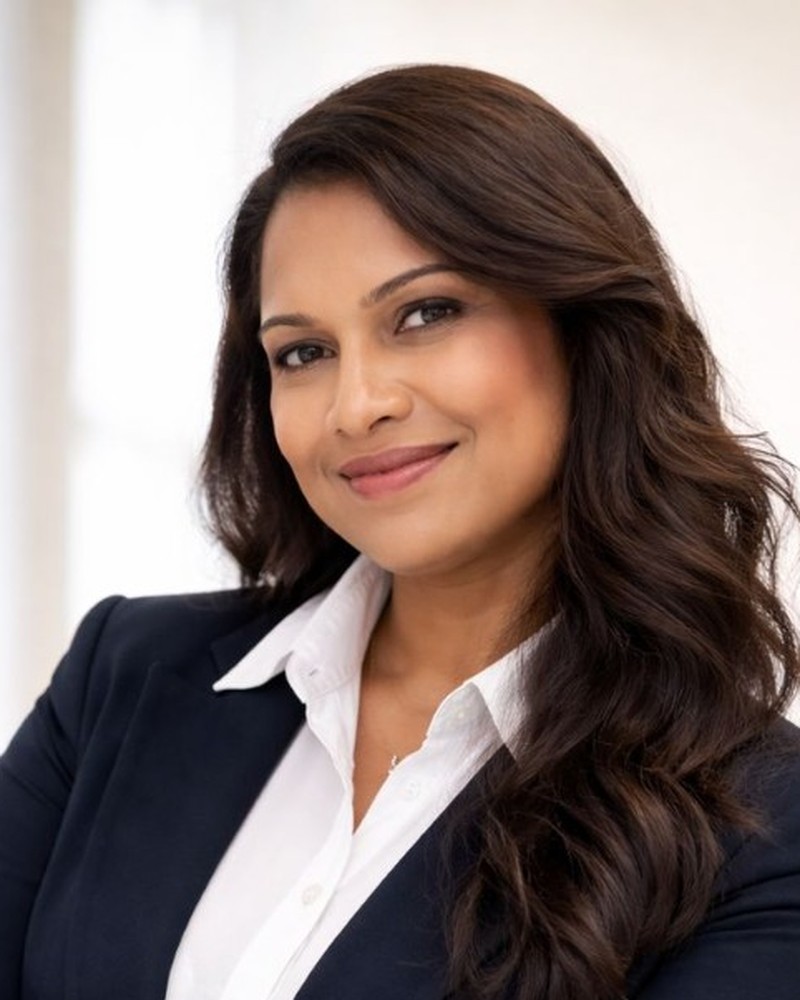
AI in Medical Training Lead
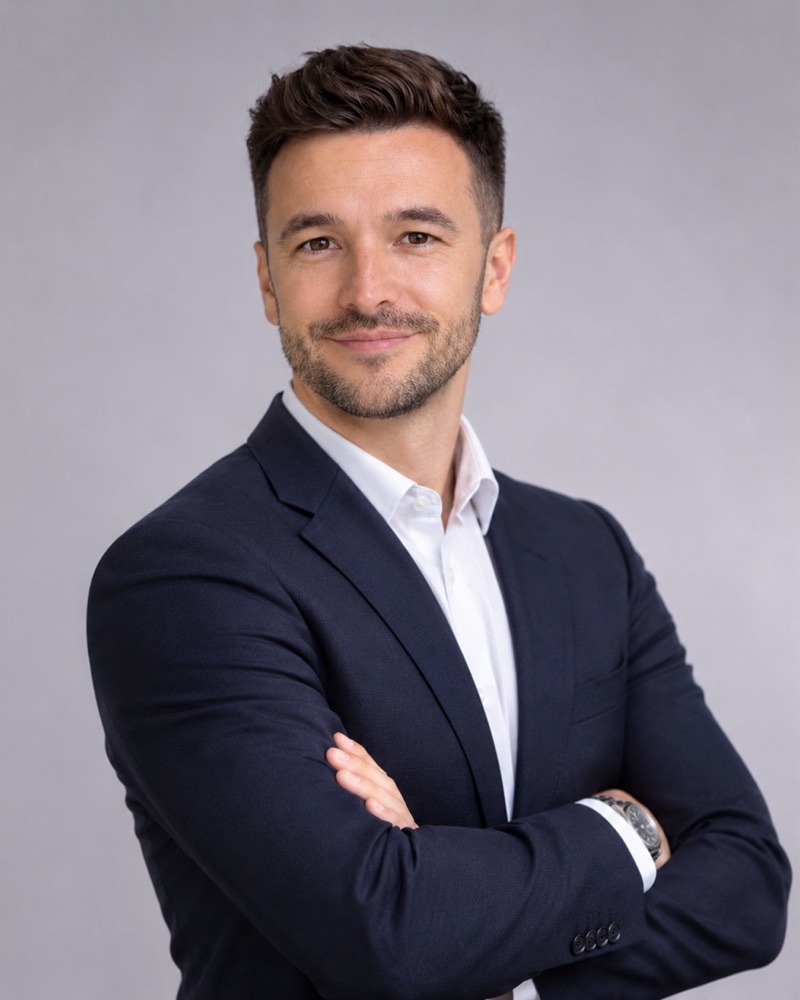
SEO & SaaS Growth Lead
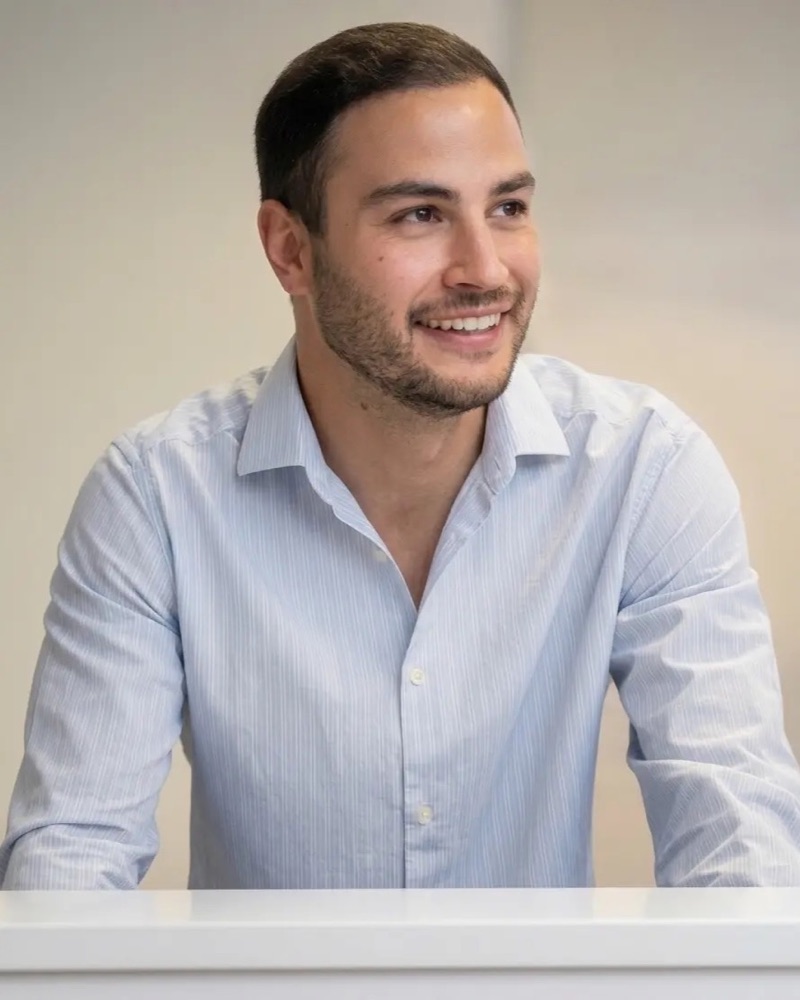
Automation & Backend Lead