AI for Trading and Distribution Companies in Malaysia
How Malaysian trading and distribution firms use AI on purchase orders, inventory forecasting, field sales and collections, with a 90-day path and key risks.
Trading and distribution firms get the most from AI on purchase-order and invoice matching, inventory and demand forecasting, field-sales reporting and payment follow-up. These jobs involve high volumes of documents and numbers. Start with one document flow connected to your ERP, with a person approving exceptions.
Part of the guide: AI Consulting in Malaysia: What It Costs and What It Delivers (2026)
On this page
Distributors run on documents and numbers: purchase orders from customers, supplier invoices, delivery notes, stock lists and field-sales notes. Most of it arrives as PDF, email or photo and gets retyped into an ERP. That repeated reading and typing is where AI helps first.
Prepared 22 October 2026 from our audit experience with trading SMEs.
Where does AI help in trading and distribution?
| Area | Typical pain | What AI does | Check |
|---|---|---|---|
| Purchase orders and invoices | Retyping, price mismatches discovered late | Extracts fields, compares to ERP price list, flags differences | Order desk reviews exceptions |
| Inventory and reordering | Overstock on slow items, stock-outs on fast ones | Suggests reorder levels from history and supplier lead times | Buyer approves |
| Field sales | Visit notes in WhatsApp, no CRM record | Turns notes into structured CRM entries | Sales manager samples |
| Collections | Late follow-up on overdue invoices | Drafts reminders from ageing report | Credit controller sends |
| Reporting | Manual weekly packs | Drafts commentary from ERP exports | Finance reviews |
The same pattern repeats: AI reads and drafts, the system compares with your master data, a person approves what is uncertain.

How does purchase-order matching work?
Incoming orders (PDF, Excel, email text) are read, mapped to your item codes and customer terms, and compared to the price list and stock. Differences go to a review queue. For orders that arrive by chat, see how WhatsApp orders become draft sales orders in SQL Account or AutoCount. Done well, it shortens order entry and catches price errors before delivery. Keyword templates break when suppliers change their PDF layouts, so extraction with a language model is used instead. It copes with mixed Malay and English line items and with reference numbers in the wrong field, and a handwritten quantity change on a delivery-order photo should be sent to a person. The output is a structured draft in the ERP, never an automatic posting. The steps are: intake from email or WhatsApp into a document store, extraction and matching against PO and goods-received IDs, an exception queue with the reason in plain words, then finance approval before the ERP post. Measure first: staff hours a month on manual matching, share of invoices on hold for more than five days, and duplicate payments or missed credit notes in ringgit. The detailed method is in automating PO and invoice matching. Phased e-invoicing under LHDN's MyInvois timeline adds another reason to get invoice data into structured form.
What about inventory forecasting?
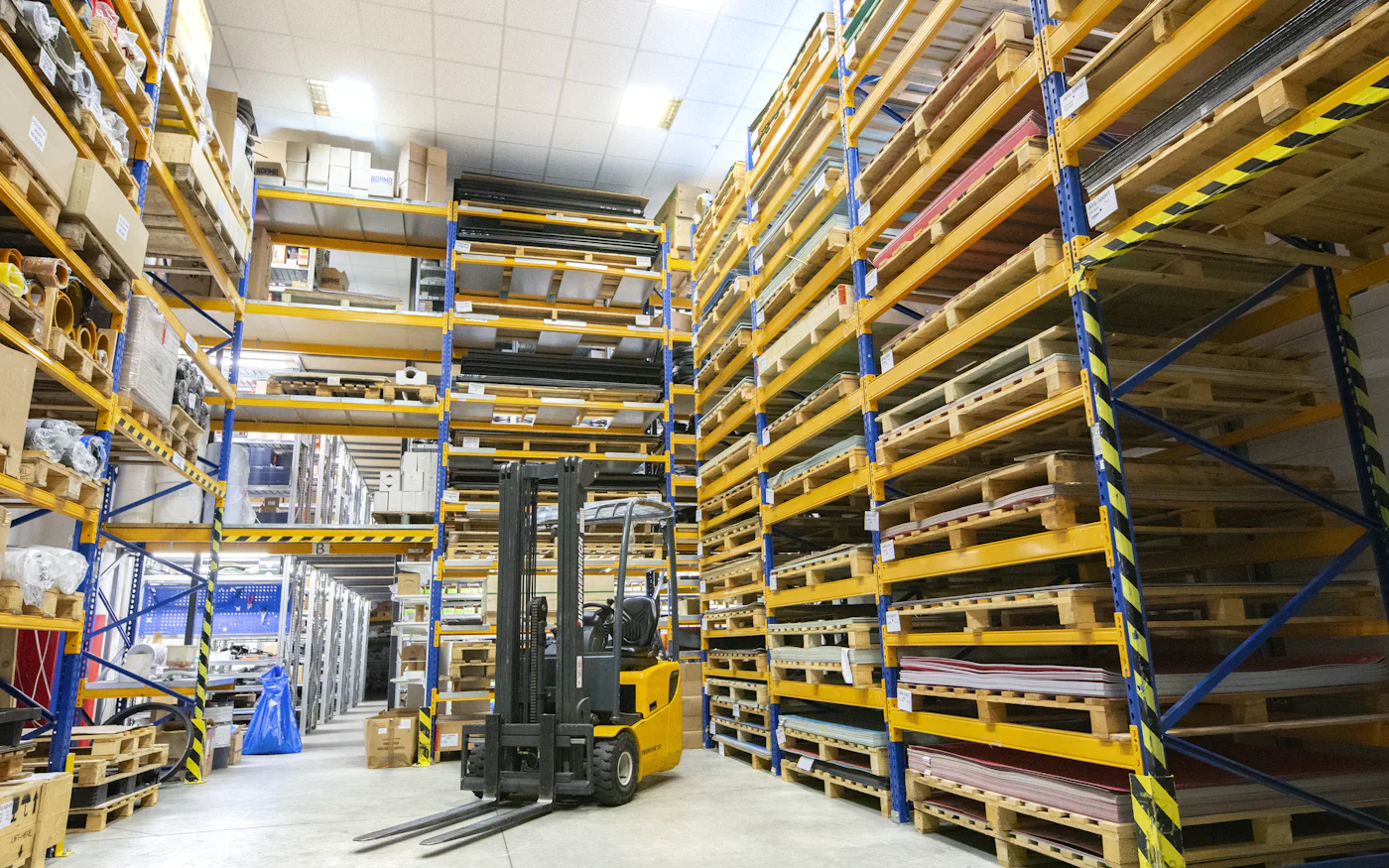
Forecasting suggests quantities, not decisions. It uses sales history, supplier lead times and seasonal patterns such as festive periods. It fails when item codes are inconsistent or sales history is incomplete, so data cleanup comes first. Many owners forecast from gut feeling and salesman optimism. The gaps to check are no single view of sell-through by item and region, supplier lead times kept in WhatsApp instead of the ERP, and promotional spikes that never reach the reorder logic. What helps is anomaly flags, plain-language exception reports and draft purchase orders from rules plus history. What hurts is a black-box prediction with no audit trail for purchasing sign-off. The connection works read-only first (SAP Business One, Odoo and SQL-backed ERPs are common), then drafts a PO, and posts only with an approver. Start with your fastest-moving 50 to 100 items rather than the whole catalogue.
What about field sales and CRM?
Field reps visit several accounts a day, and the CRM update often waits until Friday night or never happens. Orders sit in WhatsApp, visit notes leave with the rep, and promotions run without account history. A voice or text visit note can become a structured CRM draft (account, items discussed, next visit date) that the rep approves in about thirty seconds, and the manager gets a weekly brief of accounts with no visit in a set number of days. This is visibility so purchasing and finance plan from what is real, not surveillance. Build in this order: CRM hygiene (accounts, territories, mandatory fields), a mobile capture flow that works on 4G, manager dashboards, then summaries and alerts. The same pattern for property leads is in WhatsApp lead response for property agents.
What does a typical path look like?
About 90 days for one document flow, in our experience:
- Weeks 1 to 2: audit. Map the order flow, sample 50 to 100 real documents, measure hours and error rate.
- Weeks 3 to 4: data. Clean item codes and customer names; confirm ERP access.
- Weeks 5 to 8: shadow mode. The system proposes, the clerk decides, and the log records agreement.
- Weeks 9 to 12: go live with guardrails. Auto-accept only low-risk matches; everything else to the queue; 30-day stabilisation.
The general version of this path is in the 90-day plan.
What are the risks?
- Silent errors. A wrong price accepted without a check. Keep exception rules and a sample review.
- Integration failure. ERP or API changes break the flow; build alerts.
- Data privacy. Customer contact details are personal data under the PDPA; see PDPA and AI integration.
- Vendor lock-in. Keep source, prompts and configuration yours.
Controls for systems that write to your ERP are in the AI agent governance checklist.
What does it cost?
At winsym.ai a single-workflow audit is MYR 3,500 to 5,000, credited 100% against a build started within 60 days. Builds start at MYR 12,000; an ERP integration raises that, and running costs for model usage and hosting come on top. A worked example of the payback arithmetic, using invented numbers, is in how to calculate the ROI of AI. Cost drivers are in what an AI integration costs in Malaysia.
What should you do next?
Count how many orders your desk keys in each week and how many have a price or quantity error. Book a free 30-minute call with those numbers. What we build for distributors is on AI for trading and distribution companies. For the whole picture, see AI consulting in Malaysia: costs and deliverables, or start with the AI Opportunity Audit.
Back-office teams at distributors can learn to build these automations on their own documents in our AI automation and agents course.
Sources
(checked November 2026)
- LHDN e-Invoice implementation timeline, Inland Revenue Board of Malaysia.
- Personal Data Protection Act 2010, PDP Commissioner's Office.
- OWASP Top 10 for LLM Applications, for the risks of systems that write to your ERP.
- winsym.ai price list and audit scope, winsym-ai.my/audit.
The 90-day path reflects our experience; timing depends on your systems and data.
Frequently asked questions
What is the best first AI project for a distributor?
Matching incoming purchase orders and supplier invoices to your ERP. Volume is high, the rules are clear and a person can check the exceptions.
Does AI work with older ERP systems?
Often yes, but the integration cost depends on whether the ERP has an API or export. Systems without either need file drops or screen automation, which cost more and fail silently.
Can AI forecast stock for thousands of SKUs?
It can suggest reorder levels from sales history, supplier lead times and seasonality, but quality depends on clean item data. Start with your fastest-moving 50 to 100 items.
How long does a first project take?
A typical path runs about 90 days from audit to production for one document flow. The timing depends on data access and the number of systems.