How Long Does a Custom Software Project Take?
How long custom software takes in Malaysia: typical timelines by project size, what slows a build down and how to shorten it without cutting quality.
A narrow build of one process usually takes a few weeks to about three months. A platform serving several departments takes longer. These are our working estimates, since no neutral Malaysian statistic exists. Most delays come from slow decisions, unclear data and late testing, not from programming.
Part of the guide: AI Automation in Malaysia: The 2026 Guide for SMEs

On this page
- What is a realistic timeline by project size?
- What takes the time?
- What slows a project down?
- How do you shorten it?
- What should you do next?
- How long does testing and go-live take, and what do your staff need to do?
- What does a realistic 12-week plan for one process look like?
- Sources
- Frequently asked questions
A narrow custom build of one process commonly takes a few weeks to about three months from kickoff to go-live. Multi-department platforms take longer. We state this as working experience rather than a market statistic, because we found no neutral Malaysian dataset, and vendor guides vary. A 2026 agency guide cites one to four months for typical builds, which fits that range.
Checked 22 October 2026. Part of our guide to custom software development in Malaysia.
What is a realistic timeline by project size?
| Project | Typical time (our estimate) | Example |
|---|---|---|
| Integration between two existing systems | 2 - 6 weeks | WhatsApp orders into the accounting package |
| One process end to end | 1 - 3 months | Enquiry to quotation to invoice |
| Multi-role internal platform | 3 - 6 months | Operations, sales and finance on one record |
| Platform with customer portal and many integrations | 6 months and up | Client portal with payments and reporting |
Add the audit or discovery phase before the build. A focused audit takes a short, defined period and sets the scope, which is where timelines are won or lost.

What takes the time?
- Discovery and scope: mapping the process and agreeing what is in and out.
- Data access and cleaning: often the largest hidden item.
- Build in milestones: programming, usually the shortest part when scope is stable.
- Testing by your staff on real data: needs your people's time.
- Go-live and stabilisation: at least 30 days of defect fixing without new requests.
What slows a project down?
- Decisions that take a week each, because the decision maker is travelling.
- Data scattered across spreadsheets, a shared inbox and WhatsApp.
- A legacy system without an API.
- New features added after the first screens. See How to scope a custom software project.
- Staff who cannot spare time to test.
How do you shorten it?
- Name one decision maker who answers within two working days.
- Start with the smallest useful version: MVP: what to build first.
- Give the team access to the data and systems on day one.
- Block testing time in your team's calendar before the milestone.
- Put a ceiling on change requests until after go-live.
What should you do next?
Time and price move together, so read the custom software development cost in Malaysia alongside this page. Describe your process and tell us the date you need it by. We will say whether it fits, and what to cut if it does not. Book a free 30-minute call, or see how we build and what the audit delivers.
Teams who learn to build simple internal tools themselves in Build with AI can take weeks off the waiting list for small requests.
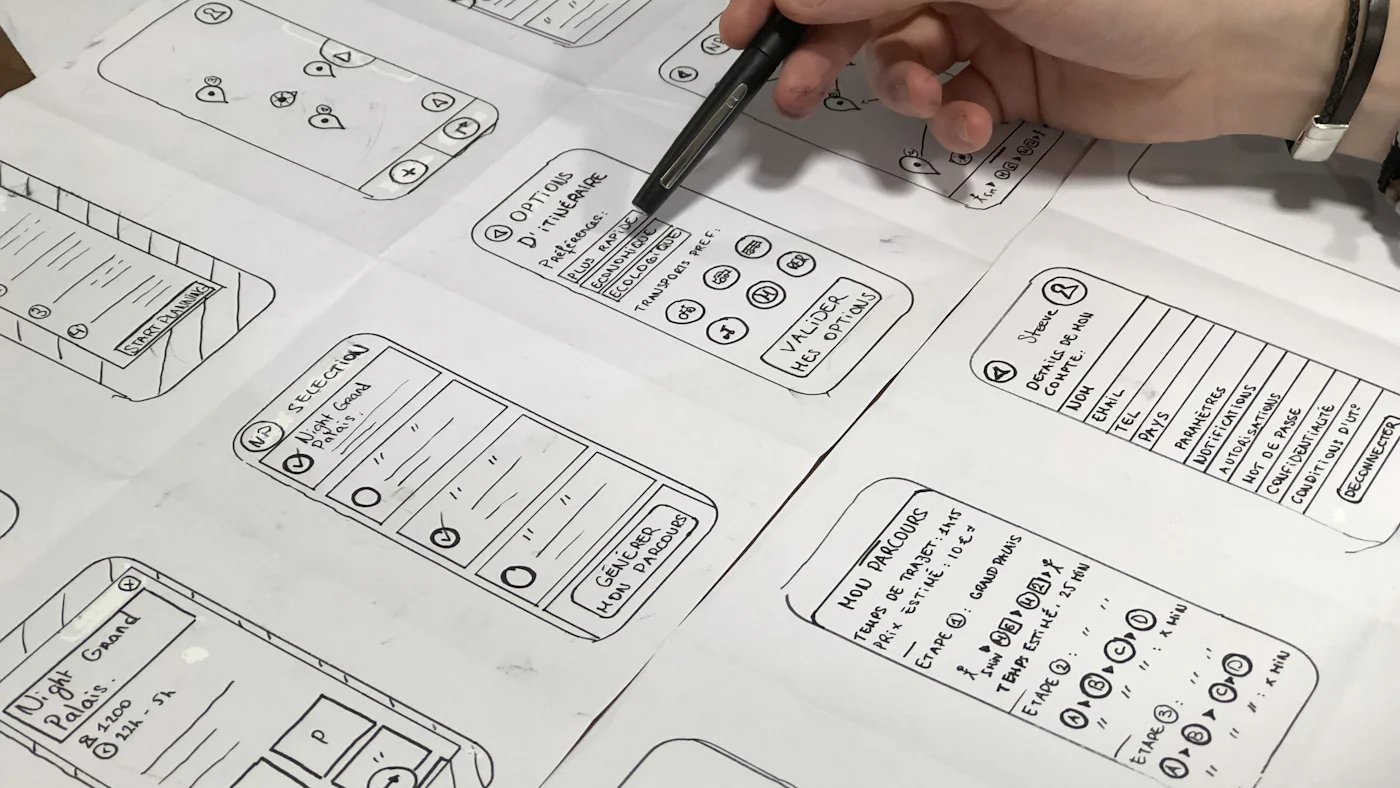
Discovery and scoping typically require two to four weeks. This initial phase involves a deep dive into your current business processes, understanding pain points, and defining clear, measurable objectives for the custom software. We map out the 'as-is' state and design the 'to-be' state. For an SME in Kuala Lumpur, this means clearly defining which specific tasks need automation or new functionality. We identify data sources, integration points, and the scope of the required solution. A Quick Scan, for example, can audit one specific workflow, providing a baseline understanding of complexity, which can then be used to scope the full project. The output of this phase is a detailed requirements document and a high-level project plan, which you review and approve before development begins.
How long does testing and go-live take, and what do your staff need to do?
Testing and go-live duration varies significantly based on the complexity defined during scoping. For a single automation or AI agent, testing might take two to three weeks. For a connected system involving multiple integrations, this phase could extend to four to six weeks. Go-live is not just flipping a switch; it requires rigorous User Acceptance Testing (UAT). During UAT, your staff test the software against real-world scenarios to ensure it meets the business needs defined in the requirements. Your team's involvement is crucial here. You must dedicate time to execute test cases, report bugs clearly, and validate that the software performs as expected in your actual operational environment. Post go-live, we recommend a care plan, which we have experience providing, starting from MYR 2,500 per month, to monitor performance, address immediate issues, and handle minor adjustments.
What does a realistic 12-week plan for one process look like?
This is an illustration with assumed figures for a moderately complex process automation, such as automating a specific client onboarding workflow.
| Week(s) | Phase | Key Activities | Deliverables/Milestones |
|---|---|---|---|
| 1-2 | Discovery & Scoping | Workflow mapping, requirements gathering, defining success metrics. | Approved Requirements Document. |
| 3-4 | Design & Prototyping | Designing the solution architecture, building a low-fidelity prototype. | Solution Design Document. |
| 5-8 | Development & Integration | Core coding, building integrations (e.g., CRM, internal databases), initial unit testing. | Functional Beta Build. |
| 9-10 | Testing (UAT) | Staff execute test cases, bug reporting, refinement based on feedback. | UAT Sign-off. |
| 11 | Deployment & Training | Final deployment to production environment, staff training sessions. | Live System. |
| 12 | Post Go-Live Support | Monitoring performance, addressing immediate operational issues. | Handover to Care Plan. |
This plan assumes a scope that fits one automation or AI agent. A connected system or a platform takes longer, mainly in the build and test weeks. If staff cannot spare time for testing, the test phase shrinks and more defects reach go-live.
These timelines are our working experience, not a market statistic.
Estimating a specific project? Custom software and AI automation starts with a Quick Scan that fixes scope and timeline before the build, and App development cost in Malaysia shows what drives the price. The wider context is in our guide to AI automation in Malaysia.
Sources
- Timelines are winsym.ai working estimates. Cross-check: Advisory Apps, How much does it cost to develop an app in Malaysia in 2026, one to four months for typical builds, checked 22 October 2026.
Frequently asked questions
Can a custom software project be done in a month?
Yes, if the scope is a single process, the data is accessible and your team answers questions within a day. Expect longer when data needs cleaning or several systems must be connected.
What is the most common cause of delay?
Waiting for answers, access and test feedback from the client side. The second is scope added after the first screens appear.
Does AI make software projects faster?
It speeds up drafting code. It does not shorten the time to agree requirements, migrate data or test with real users, which is where most calendar time goes.