Data Residency and the Malaysian Sovereign Cloud: What It Means for AI
Does the PDPA require data to stay in Malaysia? Which AI and cloud providers have a Malaysian region, and how to pick local, regional or overseas AI hosting.
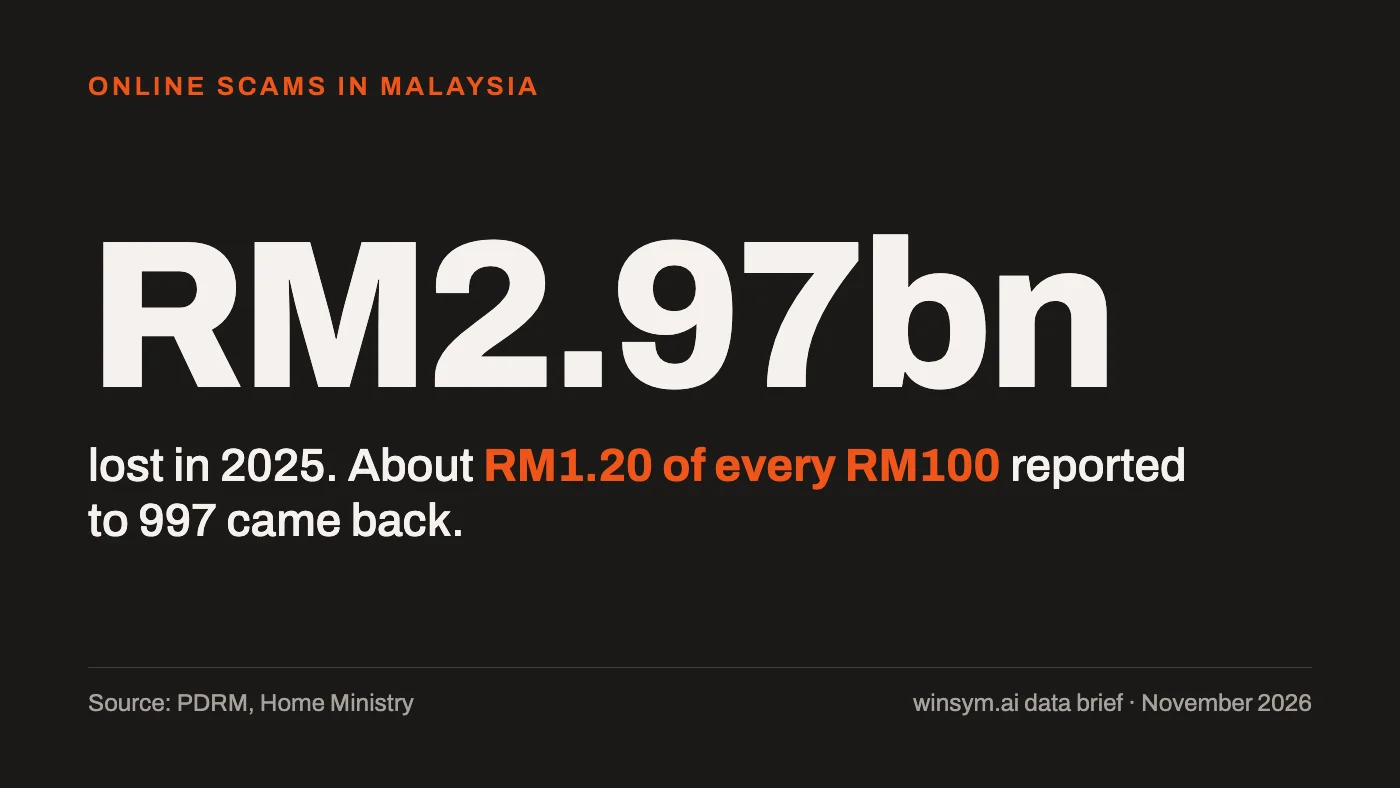
Data residency means keeping data in a chosen country. The PDPA does not require all personal data to stay in Malaysia; it requires a legal basis for transfers abroad. Local hosting is useful when customers, regulators or contracts demand it. AWS and Microsoft list cloud regions in Malaysia, but residency of AI model processing must be checked service by service.
Part of the guide: PDPA and AI in Malaysia: What Companies Must Know (2026 Guide)
On this page
- What is data residency, and is it the same as sovereignty?
- Does the PDPA require local hosting?
- Which cloud and AI providers offer a region in Malaysia?
- What about the sovereign AI cloud?
- Which data may go to which AI service?
- How do you keep AI connectors from leaking data?
- How do you choose between options?
- What should you ask a vendor?
- What next?
- Sources
- Frequently asked questions
"Is our data in Malaysia?" is a good question with a layered answer.
Part of the guide: PDPA and AI in Malaysia. Provider pages checked November 2026; regions and services change, so check the current provider page before you sign. General information, not legal advice.
What is data residency, and is it the same as sovereignty?
Residency is where data is stored and processed. Sovereignty is which country's law and authorities can reach it. A server in Kuala Lumpur run by a foreign company is resident in Malaysia but may still be subject to foreign legal demands. For most SMEs, residency is the practical goal; sovereignty matters for government, defence and some regulated sectors.
Does the PDPA require local hosting?
No. The PDPA regulates transfers through section 129 conditions. See Sending data to US AI tools and the Commissioner's own Cross Border Personal Data Transfer guideline (29 April 2025). Local hosting can make it easier to avoid the transfer analysis, but it is a design choice, not a general legal duty. Sector rules and customer contracts may add requirements, so read them.
Which cloud and AI providers offer a region in Malaysia?
A region in Malaysia means storage and compute can sit in the country. It does not mean every AI model is available there. The table lists what the providers' own pages showed in November 2026.
| Provider | Malaysia region | What the provider page says | Source |
|---|---|---|---|
| Microsoft Azure | Malaysia West (Kuala Lumpur, malaysiawest) |
Listed in Azure's regions list, with availability-zone support shown per region | Azure regions list |
| AWS | Asia Pacific (Malaysia), ap-southeast-5 |
Listed in AWS's regions documentation | AWS Regions |
| Google Cloud | Not confirmed | Its locations page did not show Malaysia in a form we could read automatically; Google has announced plans, so check the page | Google Cloud locations |
| OpenAI (Enterprise, Edu, API) | No | Data residency at rest announced for Japan, India, Singapore and South Korea (7 May 2025), with a later update dated 25 November 2025 pointing to further regions; Malaysia was not named in the announcement text we read | OpenAI data residency in Asia |
Two cautions. First, a Malaysian region says nothing about where the AI model runs: a prompt stored in Kuala Lumpur can still be processed elsewhere, so ask for the service-level answer in writing. Second, residency "at rest" (stored data) is not the same as processing location. Where a service is hosted outside Malaysia, the section 129 conditions apply again.
What about the sovereign AI cloud?
Our earlier note Malaysia Sovereign AI Cloud and NAIO covers the national plans. For businesses the question is access and fit: which services, which price, which support. Do not plan around a programme that has not opened to your sector.
Which data may go to which AI service?
Decide by data class before you decide by provider. This is the split we use as a starting point on projects; adjust it to your contracts and sector rules.
| Class | Examples | Default path |
|---|---|---|
| Public | Marketing copy, published SOPs | Standard business AI plan, under your policy |
| Internal | Operations metrics, anonymised logs | Business or enterprise plan, or a regional host |
| Confidential | Customer personal data, pricing, contracts | Private endpoint, redaction before sending, or no cloud AI |
| Regulated | Health and financial identifiers | Approved system only, sector rules first |
"So our customer list goes to OpenAI?" is the question prospects ask. The answer is yes only if the system was designed that way. A common mistake is running Copilot or ChatGPT in the browser on a full CRM export: no audit trail and no retention policy. A governed integration fixes both, or the use is blocked in a governance review.
How do you keep AI connectors from leaking data?
Each connector (MCP server) that lets an assistant read or write company systems should get least-privilege access scopes, separate credentials per environment, and a read-only phase before any write action is switched on. The security audit checklist goes through the write paths, and prompt injection explains why a hostile document can still misuse a connector.
How do you choose between options?
| Option | Data location | Good for | Watch for |
|---|---|---|---|
| Global AI service, default region | Often US or other | Non-personal tasks, prototypes | Transfer basis, vendor terms |
| Global AI service with residency option | Chosen region, at rest | Business use with Asian residency | Malaysia may not be offered; processing may differ from storage |
| Cloud region in Malaysia with hosted models | Malaysia | Customer-facing systems, regulated data | Model availability; support access |
| Self-hosted open model on Malaysian infrastructure | Malaysia | Highest-sensitivity data | Cost, skills, maintenance |
| Remove personal data before sending | Any | Many analysis tasks | Re-identification risk; process discipline |
What should you ask a vendor?
Where are prompts and outputs processed and stored? Are logs and backups in the same place? Who can access them from outside Malaysia? Which sub-processors are used? How is data deleted? Put the answers in writing; see the vendor due diligence checklist.
Where your data may live is one of the questions directors settle in the governance module of AI Strategy for Leaders.
What next?
Most SMEs need a mix: local hosting for customer-facing systems with personal data, a business plan for general productivity, and clear rules. Our software team builds integrations with these boundaries, and an audit maps your data flows. Book a call.
Sources
- Provider pages as linked in the table: Microsoft Learn, AWS, Google Cloud, OpenAI, checked November 2026. The OpenAI page blocks automated fetching and was read in the browser in German.
- Personal Data Protection Commissioner, Cross Border Personal Data Transfer guideline, 29 April 2025, read in full.
- Launch dates of the AWS and Microsoft regions are not stated here because we did not read an official announcement of them.
General information, not legal advice.
Frequently asked questions
Does the PDPA require data to stay in Malaysia?
No. Section 129 allows transfers abroad when a condition is met. Some sectors and contracts add stricter localisation or approval rules, for example for financial institutions or government work.
What is a sovereign AI cloud?
Infrastructure for AI workloads operated under national control so that data and compute remain subject to local law. Malaysia has announced investment in sovereign AI capacity; see our overview. Availability for ordinary companies depends on providers and programmes.
If a cloud region is in Malaysia, is my AI data in Malaysia?
Not necessarily. Storage may be local while the AI model runs elsewhere, and support access or backups may cross borders. Ask the vendor where prompts, outputs, logs and backups are processed.
Which AI providers offer data residency in Malaysia?
Microsoft Azure (Malaysia West) and AWS (ap-southeast-5) list Malaysian cloud regions. OpenAI's Asian data residency announcement named Japan, India, Singapore and South Korea, not Malaysia. Whether a given AI model runs in a Malaysian region is a service-level question to put to the vendor.
Which data should never go into a public AI tool?
Customer personal data, contracts, pricing and health or financial identifiers. Use a business plan with a no-training commitment, remove identifiers first, or keep the task off cloud AI. Your policy and sector rules decide the exact line.