Confidentiality Clauses and Client Data in AI Tools
Does using AI tools breach an NDA or client confidentiality clause? How Malaysian agencies, accountants and consultants should read their contracts and update them.
Entering client information into an AI tool can breach a confidentiality clause if the contract limits disclosure to third parties and the AI vendor counts as one. Read the clause, check whether you have consent or an exception for service providers, and use business-plan tools with no-training terms. Add AI wording to future contracts.
Part of the guide: PDPA and AI in Malaysia: What Companies Must Know (2026 Guide)
On this page
- When can AI use breach a confidentiality clause?
- What should you check in your existing contracts?
- Is it also personal data?
- What are safer ways to use AI with client material?
- What does the check look like on one contract?
- What should a new AI clause cover?
- What about staff and subcontractors?
- What next?
- Sources
- Frequently asked questions
Clients send contracts, accounts and plans, then expect them to stay private. AI tools change who might see them.
Part of the guide: PDPA and AI in Malaysia. Checked 22 October 2026.
When can AI use breach a confidentiality clause?
When the clause restricts disclosure of confidential information to anyone other than named people or categories, and an AI vendor receives the content. Typical wording says information may be disclosed only to employees, advisers or subcontractors who need it and are bound by confidentiality. A vendor under standard terms may not fit that description, and a consumer AI account almost never does.

What should you check in your existing contracts?
| Clause | Question to ask |
|---|---|
| Definition of confidential information | Does it cover drafts, data, summaries and outputs derived from client material? |
| Permitted disclosure | Are service providers or subcontractors allowed? On what conditions? |
| Location | Is there a restriction on moving data outside Malaysia? |
| Return and deletion | Can you meet deletion duties if data sat in a vendor's system? |
| Audit rights | Can the client ask how data was handled? |
| Professional rules | Do professional bodies set duties on confidentiality that apply to you? |
Is it also personal data?
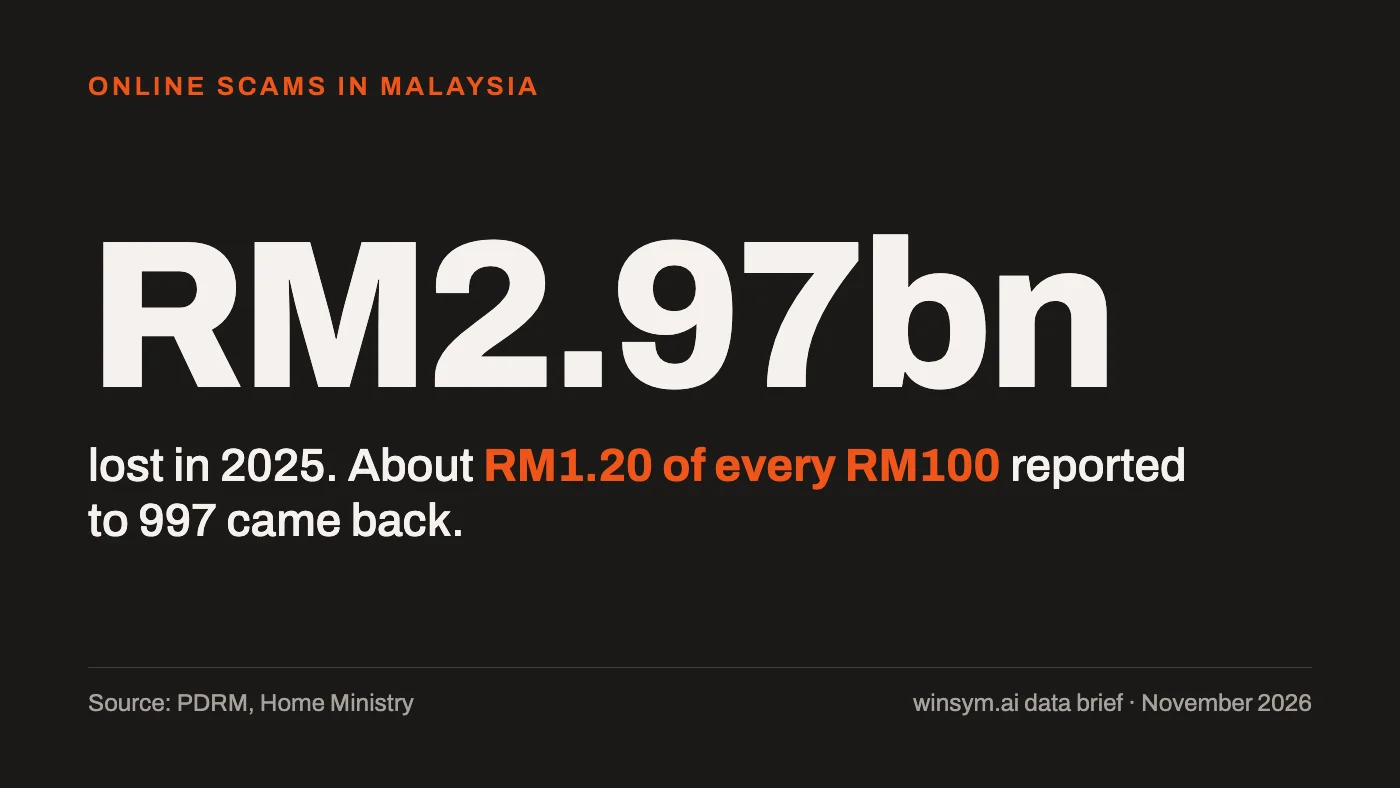
Often. Client files contain employee, customer and counterparty data. Then the PDPA applies in addition to the contract: lawful basis, notice, security and a transfer basis. A contract can be stricter than the PDPA, so follow the stricter rule. If client data leaks through an AI tool, the PDPA breach guideline expects notification to the Commissioner within 72 hours for a notifiable breach, and your client contract may set a shorter time.
What are safer ways to use AI with client material?
- Use a company business plan or private deployment with no-training terms in writing (Anthropic states this by default for its commercial products and Microsoft says the same for Microsoft 365 Copilot; see the vendor checklist).
- Remove names and identifiers before upload.
- Keep a log of which client material went into which tool.
- Ask clients in advance, especially for sensitive matters.
- Keep the final review human.
What does the check look like on one contract?
A worked example with assumed facts. A 12-person consultancy has an NDA that allows disclosure to "employees and professional advisers bound by confidentiality". An AI vendor is neither. Under the table above, the consultancy has three options: ask the client for written consent to named AI tools, strip identifiers before upload so that no confidential information is disclosed, or keep that client's material out of AI tools. It records the choice in the client file with the date. The same step applies to every contract with a similar clause. It is the first thing we settle in our AI services for accounting and consulting firms.
What should a new AI clause cover?
- The purpose AI is used for (drafting, analysis, translation).
- That client data is not used to train models.
- That only approved tools are used, and where data is processed.
- That a human reviews outputs.
- That breaches are notified within an agreed time.
- That the client may object to AI use for specific work.
Have a lawyer draft the final clause. An example of how to phrase the commitment: "We use AI tools only under business terms that exclude training on your data, and we do not enter your confidential information into consumer accounts." This sentence is a starting point, not tailored advice.
What about staff and subcontractors?
Staff handbooks and subcontractor agreements should repeat the rule. Our employee AI usage policy template covers the staff side.
Firms that want staff to follow these rules without checking a lawyer each time usually train them in-house with Generative AI at Work, which ends with a usage policy.
What next?
If your clients keep asking how you use AI, a short written position and trained staff answer most questions. See our coaching and courses, or book a call.
For how this plays out in an accounting practice, see ChatGPT for accountants in Malaysia: safe and unsafe uses.
Sources
(checked November 2026)
- Anthropic Privacy Center, Is my data used for model training?
- Microsoft Learn, Data, Privacy, and Security for Microsoft Copilot
- Personal Data Protection Department Malaysia, Act 709
- PDPA guideline on data breach notification
General information, not legal advice. Contract interpretation depends on the exact wording; ask a lawyer.
Frequently asked questions
Does pasting client documents into ChatGPT breach an NDA?
It can. Many NDAs restrict disclosure to third parties other than named advisers or processors. A consumer AI account is a third party. Check the exact wording before use.
Should we tell clients that we use AI?
Where the contract or the nature of the data calls for it, yes. Disclosure builds trust, and some clients now ask. For personal data, your privacy notice should also cover it.
What should an AI clause say?
Which tools, what data, no training on client data, where data is processed, human review, and breach notification. A lawyer should draft the final text.