AI for F&B and Retail in Malaysia: Where Thin Margins Gain
How Malaysian F&B and retail owners can use AI on demand forecasting, staff rosters, customer feedback and replies, with a practical start and data to gather.
F&B and retail owners get the best return from AI on three jobs: forecasting daily demand from POS and delivery-app data, building staff rosters around that forecast, and reading customer reviews for repeated problems. Start with one outlet, four to eight weeks of clean sales data and a manager who owns the decision.
Part of the guide: AI Consulting in Malaysia: What It Costs and What It Delivers (2026)

On this page
Margins in food and retail are thin, so small errors repeat daily: too much prep, too little stock, too many or too few staff on a Friday. AI helps where those errors come from signals sitting in separate systems. This guide shows the jobs worth starting with and what has to be in place first.
Prepared 22 October 2026 from our audit work.
Where does AI help an F&B or retail business?
| Job | Input data | Output | First metric |
|---|---|---|---|
| Demand forecasting | POS items by day and hour, delivery-app orders, holidays, events, weather | Suggested prep or order quantities | Waste and stock-outs |
| Staff rostering | Forecast plus availability | Draft roster for the manager | Overtime hours, idle hours |
| Customer feedback | Google reviews, delivery-app ratings, WhatsApp comments | Repeated issues grouped by outlet | Complaints per 100 orders |
| Customer replies | FAQ, menu, opening hours | Draft answers, booking handover | Reply time |
| Content | Menu, photos, campaign calendar | Captions, promo copy drafts | Time per post |
The leaks to look for in an F&B or retail group are the same ones we check in an audit: prep waste in ringgit per week far above theoretical usage, labour cost spiking on quiet nights staffed for a "maybe rush", promotions that never reach the kitchen prep sheet, and outlet managers adjusting orders and swapping shifts in WhatsApp with no record.
Owners usually think of the content job first because it is visible. The forecasting and rostering jobs usually carry more money, because food cost and labour are the two largest costs for most outlets.
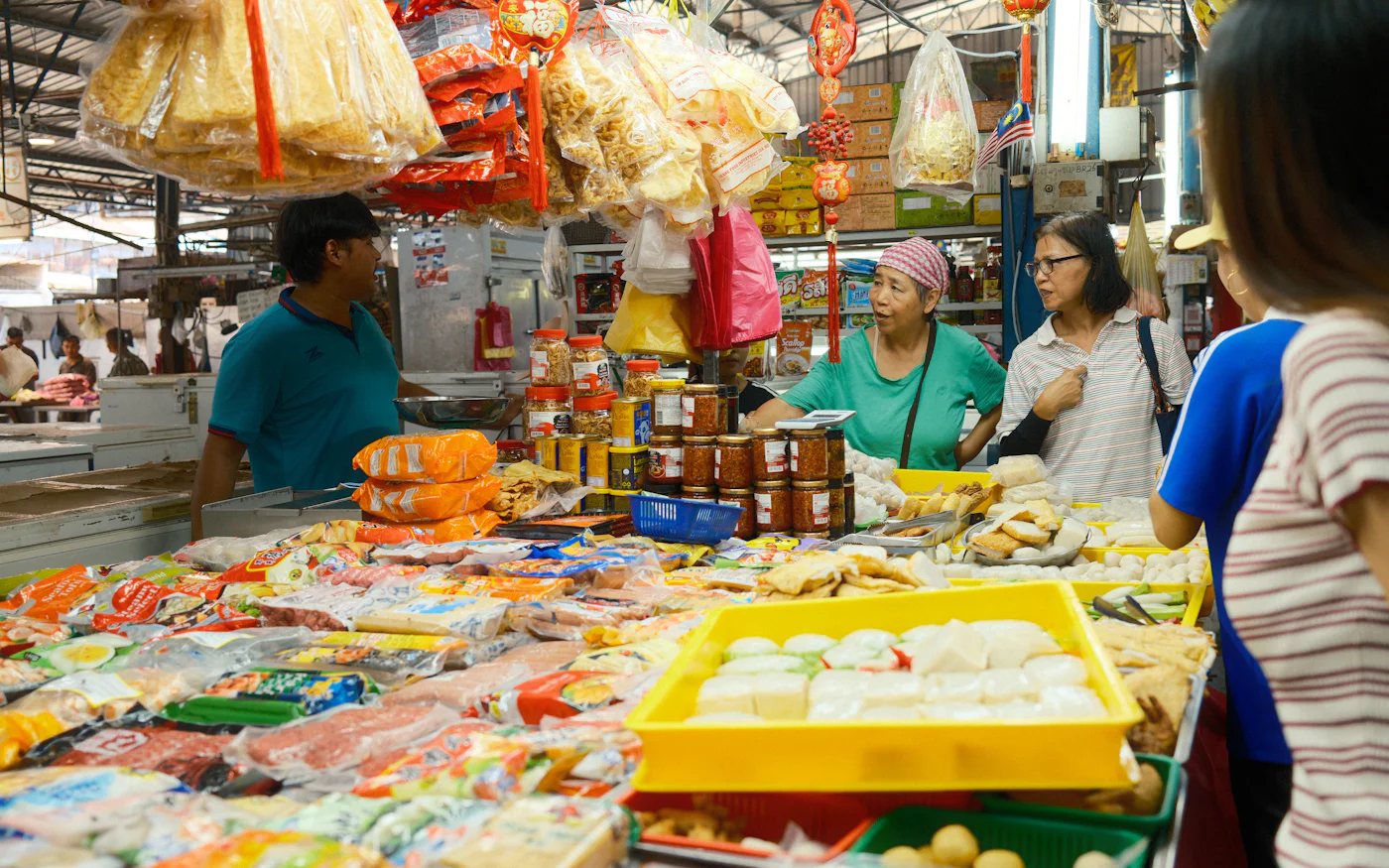
How does demand forecasting work in practice?
The system combines your past sales with calendar and local signals and suggests a quantity per item. The manager adjusts it, and the log shows how often the suggestion beat the habit. Three conditions decide success:
- One sales record. Walk-in, delivery-app and online orders end up in the same data.
- Clean item names. "Nasi lemak ayam" and "NL Ayam" must be one item.
- A decision owner. A kitchen or store manager accepts or overrides, and records why.
The output is a plain-language prep brief for the outlet manager, for example: "Tomorrow lunch is 18% above last Tuesday, increase protein prep and hold dessert." The manager confirms or overrides, and the overrides show where the signal is wrong. Rain, for instance, empties some concepts and fills others, so test each weather link on your own history before relying on it.
A worked example with assumed figures: if one outlet loses MYR 1,500 a week to prep waste and better prep briefs cut that by 10%, you save MYR 150 a week, or MYR 7,800 a year. That is the size of the prize to compare with any build cost; your own numbers will differ.
What about staff scheduling?
Link the roster to the forecast so you add shifts where demand is expected and trim where it is not. The manager keeps final say because of leave, skills and labour rules. Generic scheduling apps fail when they ignore your rules: public holidays, prayer breaks, internal policies, cross-trained roles and franchise SOPs. So the draft is built inside your own tool (Deputy, Excel or an ERP module) from your rules plus the forecast, and a mid-week alert shows when actual hours drift from plan. Exceptions can be asked in plain words, for example "Ahmad is on leave Thursday, who can cover the grill with a HACCP certificate?", and the system proposes options from your skills matrix. Nothing is published without manager approval, and shift changes are logged for any labour audit. Check any change against the Employment Act 1955 provisions that apply to your staff, such as working-hour and rest-day rules, with your HR adviser.
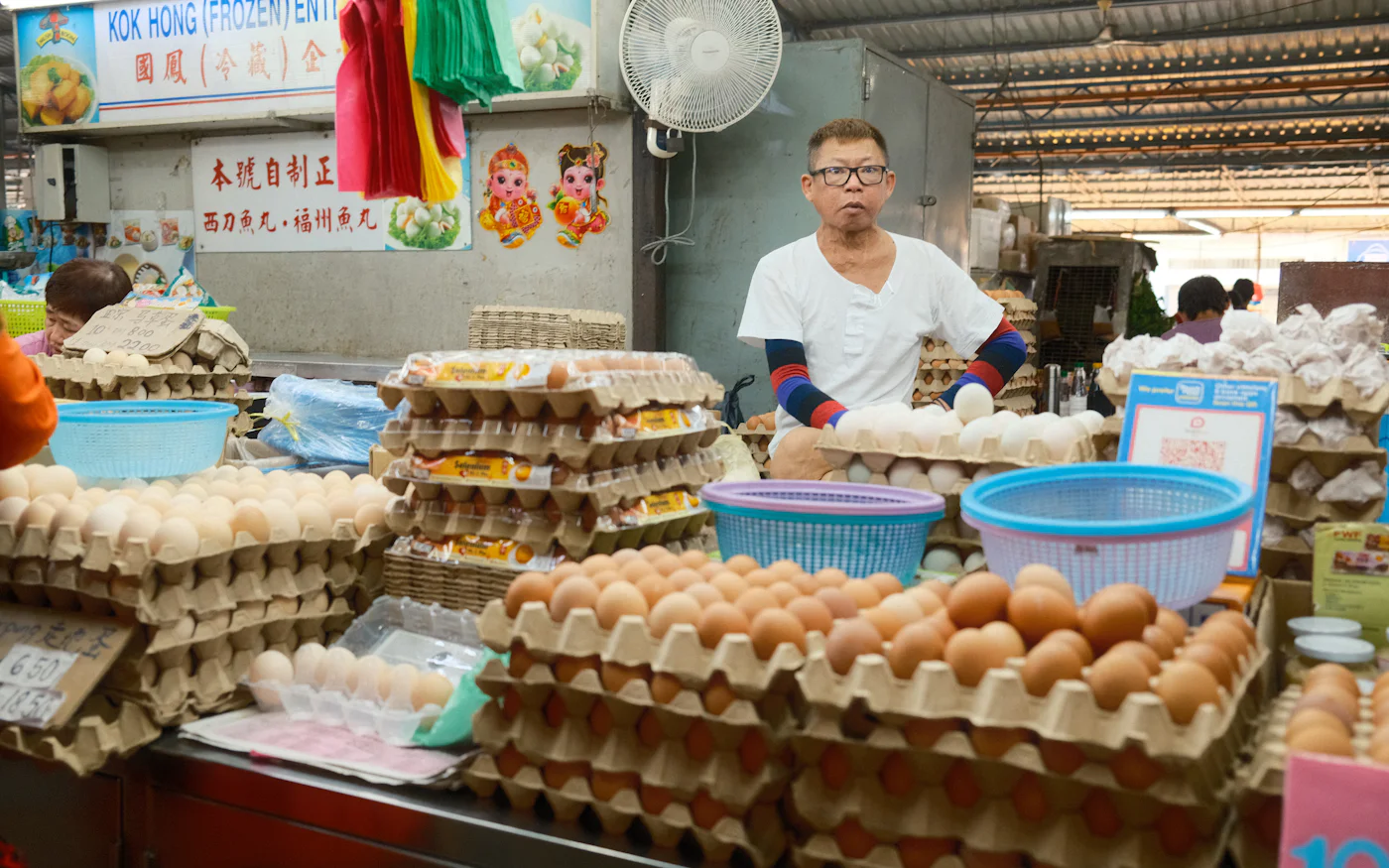
How do you use reviews and feedback?
Collect Google reviews, delivery-app ratings and comments into one place, group them by theme (taste, wait time, packaging, service) and outlet, and review weekly. The value is in repetition: one complaint is noise, ten about delivery packaging is a decision.
The loop has four steps: ingest reviews and survey answers, classify them by theme, severity, outlet and menu item (with a taxonomy a person has reviewed), route an ops ticket to the outlet manager, and close the loop with a weekly brief such as "three outlets flagged cold fries, check the holding-time SOP". Track the time from a negative review to a manager's acknowledgement, the repeat-complaint rate per theme, and whether the rating moves after an ops change. AI may draft replies, but a manager approves them; Google prohibits fake engagement and incentivised reviews, and replies are managed in the Business Profile. Customer names and phone numbers in feedback are personal data under the PDPA.
What should you not automate first?
- Allergy and halal questions. Answers must come from a person or a verified document.
- Pricing and discounting without approval.
- Reordering from suppliers with no cap or check.
What does it cost?
A single-workflow audit costs MYR 3,500 to 5,000 at winsym.ai, credited against a build started within 60 days. Builds start from MYR 12,000. Before that, many owners get most of the value from training managers on ready-made tools; in-house half-day sessions start from MYR 4,500 and can be HRD Corp Claimable when applied for in advance, see the HRD Corp guide. Use the ROI method to check whether forecasting beats your current waste and overtime numbers.
What should you do next?
For one outlet, measure two numbers this month: food or stock waste per week in ringgit and overtime hours. Book a free 30-minute call with those figures and we will say where AI can help and where it cannot. Our offer for outlets and shops is on AI for food and retail businesses. For the general picture, see AI consulting in Malaysia, and for a structured start the AI Opportunity Audit.
Owners who want a manager or supervisor to build these small automations themselves can send them to our AI automation course, where each participant leaves with one working flow.
Sources
(checked November 2026)
- Google Maps contributions policy, fake engagement.
- Google Business Profile Help, managing reviews.
- Personal Data Protection Act 2010, PDP Commissioner's Office.
- Employment Act 1955 (Malaysia), for working-time rules; confirm current provisions with the Ministry of Human Resources.
- winsym.ai price list, winsym-ai.my/audit and winsym-ai.my/courses.
We quote no client results. Waste and overtime effects must be measured in your own outlets. General information, not legal advice.
Frequently asked questions
What data do I need for demand forecasting?
At least several weeks, ideally a year, of item-level sales by day and hour, plus notes on promotions, holidays and events. Delivery-app and walk-in sales should be combined.
Is AI worth it for one restaurant?
For a single outlet, start with ready-made tools for reviews, copy and reports. Forecasting and rostering pay back more with several outlets or high food waste.
Can AI reduce food waste?
It can make prep and ordering suggestions closer to real demand. The size of the reduction depends on your data and menu, so measure waste before and after instead of relying on claims.
Should customers talk to an AI?
For simple questions such as opening hours and booking, yes, with a handover to staff. Complaints and allergy questions belong with a person.