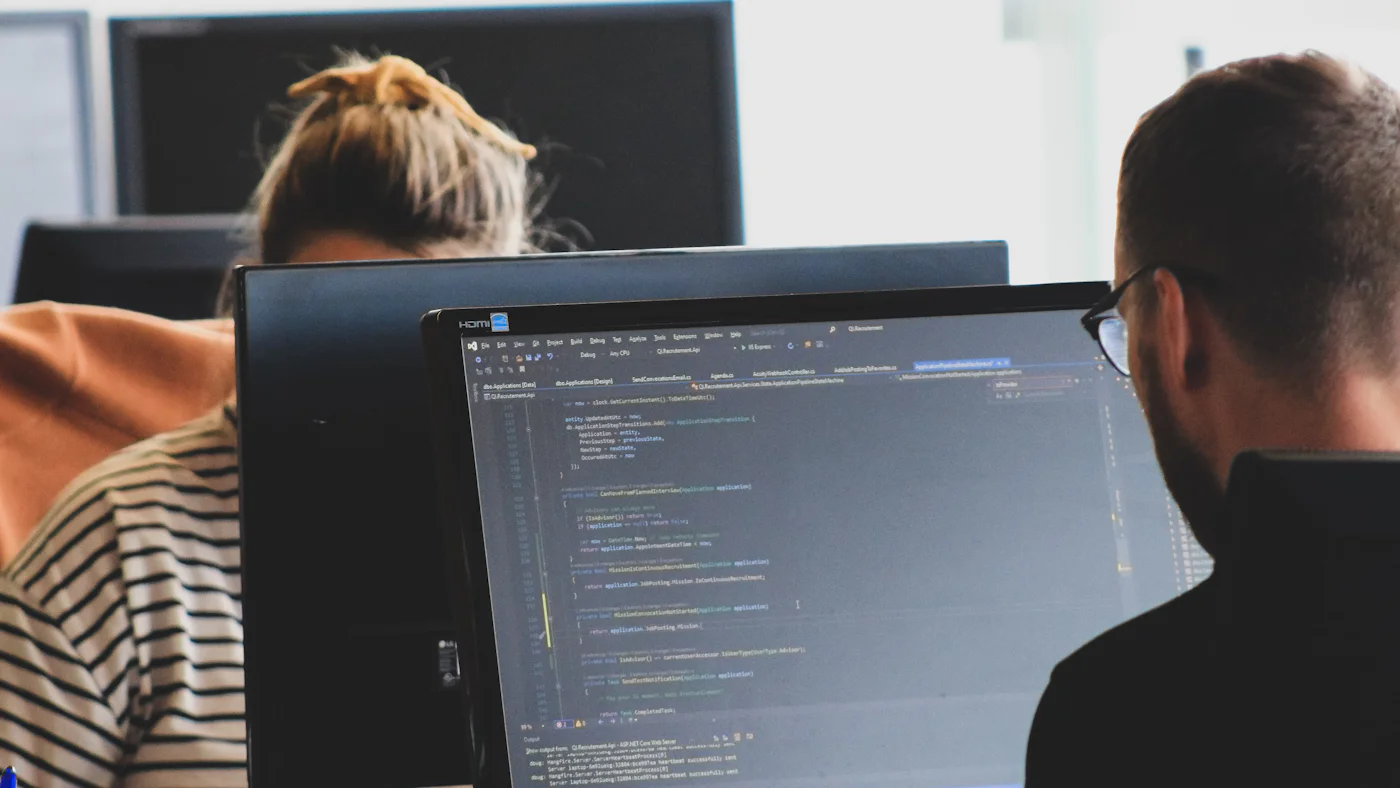
AI-Built Software: Risks and the Checks Before You Launch
AI-written software can ship fast and fail quietly. The security data, the PDPA angle and a 10-point review to run before real customers use it.
AI-written software is fine for prototypes and internal experiments. Before real customer data goes in, have it reviewed: Veracode's 2025 test found security flaws in 45% of AI-generated code on security-sensitive tasks. Check authentication, access rules, input handling, secrets, logging, backups and PDPA duties first.
Part of the guide: Custom Software Development in Malaysia: Costs, Process and How to Choose (2026)
On this page
AI coding tools let a non-developer produce a working app in a day. That is useful for testing an idea and risky for running a business. The problems are not visible on the screen: they sit in how logins, permissions, data and errors are handled. A review before launch is what turns a demo into a system.
Checked 22 October 2026. Part of our guide to custom software development in Malaysia. This is general information, not legal advice.
What does the evidence say?
Veracode's 2025 GenAI Code Security Report tested more than 100 language models on 80 coding tasks that had a secure and an insecure way to solve them. The generated code contained a security flaw in 45% of cases, and the report found that larger models did not do significantly better. The test used curated security-sensitive tasks, so it does not mean 45% of all AI-written code is vulnerable. It does show that "it runs" and "it is safe" are different statements.
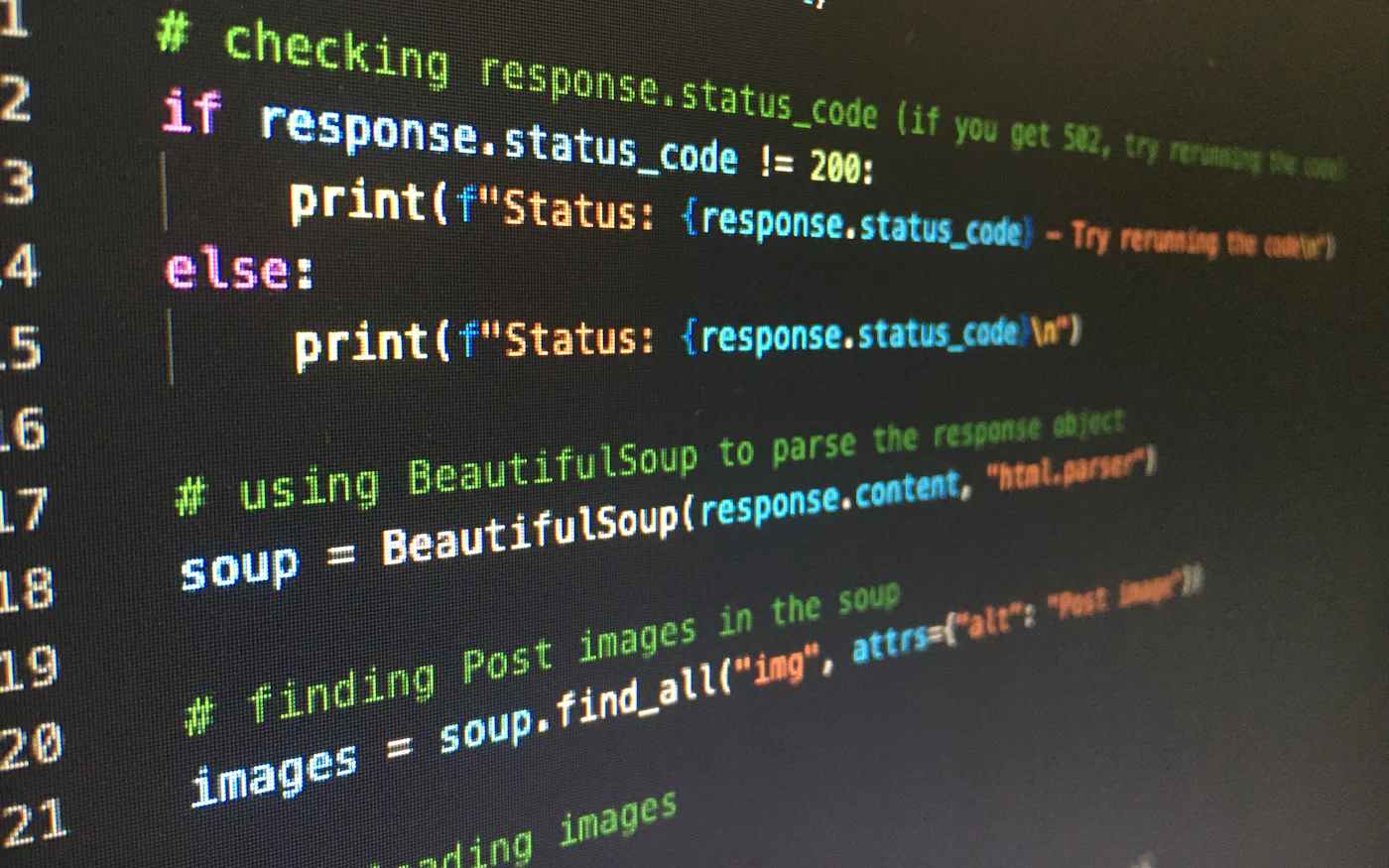
What goes wrong in practice?
| Risk | What it looks like |
|---|---|
| Weak access control | Any logged-in user can open another customer's record by changing a number in the address |
| Secrets in the code | Passwords or keys left in files, or sent to a public repository |
| Unvalidated input | Forms accept anything, which opens the door to injection attacks |
| No error handling | A failed payment or API call is lost without a trace |
| No backups or logs | After a mistake nobody can see what changed or restore it |
| Hidden dependencies | Libraries pulled in that nobody has checked |
| Hallucinated logic | Calculations that look right but fail on edge cases such as tax or rounding |
What is the PDPA angle?
If the app holds personal data of customers or staff, the Personal Data Protection Act applies whoever wrote the code. The 2024 amendments made data processors directly subject to the security principle from 1 April 2025 and added data breach notification and data protection officer duties from 1 June 2025. The maximum penalty for breaching the data protection principles is a fine of RM1 million and up to three years' imprisonment. Law-firm summaries of the Commissioner's breach guideline report that serious breaches must be notified to the Commissioner within 72 hours and to affected individuals within seven days after that. Confirm the exact trigger and wording in the guideline on pdp.gov.my. Where the data is stored and which AI service sees it should be decided before launch. See PDPA and AI integration.
What are the 10 checks before launch?
- Every page and API requires login unless it is deliberately public.
- Users see only their own data. Test by trying to open another user's record.
- No secrets in the code or in the browser. Keys sit in protected settings.
- All input is validated on the server, not only in the form.
- Writes to important data go through a controlled path with a log. See AI write paths.
- Errors are caught, logged and alerted on.
- Backups run and a restore has been tested once.
- Dependencies are listed and updated.
- Money, tax and date logic is tested against known cases.
- Someone on your side owns it and knows where it runs.
When is it fine without a review?
A throwaway prototype with dummy data, or an internal helper that touches no personal or financial data and is used by one person. Once the tool is shared, connected to real data or exposed on the internet, review it. The choice between building yourself and hiring is covered in Build with AI or hire an agency?.
What should you do next?
If you have an AI-built app that is heading toward real users, we can review it against the ten checks and tell you what to fix first. Book a free 30-minute call, or see how our software and Build with AI course work together.
Sources
- Veracode, AI-Generated Code Poses Major Security Risks in Nearly Half of All Development Tasks, 30 July 2025, checked 22 October 2026.
- DFDL, Implementation of the Personal Data Protection (Amendment) Act 2024, checked 22 October 2026.
- CMS, New guidelines on mandatory breach notifications under the PDPA, checked 22 October 2026 (secondary source).
- The checklist is winsym.ai's working list, not a certification standard.
Frequently asked questions
Is AI-generated code unsafe?
Not always, but it needs review like any code. Veracode's 2025 benchmark of 100+ models on 80 tasks found vulnerabilities in 45% of cases. The figure applies to curated security-sensitive tasks, not all code.
Can I launch an app built with AI tools without a developer review?
For an internal experiment with no personal data, yes. For anything holding customer or staff data, a review before launch is the minimum.
Who is liable if an AI-built app leaks personal data?
Your company as data controller remains responsible under the PDPA, whoever wrote the code. Get legal advice for your case.